

The most reliable home remedy for acute constipation is magnesium citrate — 200–400mg dissolved in warm water, available as Natural Calm ($20) or Phillips’ Milk of Magnesia ($8–10). It draws water into the colon osmotically and works within 30 minutes to three hours for most people. That’s the short answer.
The longer answer is that constipation has at least four distinct causes, and most remedies only address one of them. Using senna tea when the problem is dehydration causes cramping with no result. Using fiber when the problem is slow transit takes days and feels like nothing is working. Understanding which type you’re dealing with changes what you reach for first.
The Fastest-Acting Remedies, Ranked by Evidence
Not all remedies operate on the same timeline. Some deliver relief in two hours. Others need consistent use for a week before anything shifts. The most common mistake is abandoning a remedy that was actually working — just on the wrong schedule.
| Remedy | Mechanism | Time to Effect | Best For | Watch Out For |
|---|---|---|---|---|
| Magnesium citrate (Natural Calm, ~$20) | Draws water into colon osmotically | 30 min – 3 hours | Acute relief | Loose stool if overdosed |
| Prune juice (8 oz) | Sorbitol + dihydroxyphenyl isatin | 3 – 6 hours | Mild constipation | Less effective for severe cases |
| Coffee (caffeinated, 1 cup) | Gastrocolic reflex activation | 30 – 60 min | Morning routine | Works in ~30–40% of people only |
| Smooth Move Tea (~$6/16 bags) | Senna — stimulant laxative | 6 – 12 hours | Overnight relief | Cramping; not for daily use |
| Psyllium husk / Metamucil (~$25) | Bulk-forming fiber | 1 – 3 days | Chronic, ongoing constipation | Needs adequate water or worsens |
| Castor oil (1 tbsp) | Ricinoleic acid stimulates intestinal muscle | 2 – 6 hours | Stubborn acute cases | Strong cramping, uncomfortable |
| Squatty Potty (~$25–35) | Changes anorectal angle for easier passage | Immediate (positional) | Straining or incomplete evacuation | Doesn’t help if stool is too dry |
Magnesium citrate is the clear winner for reliable, fast relief. Phillips’ Milk of Magnesia works by the same mechanism and costs $8–10 at any pharmacy — it’s one of the most underused options in the home remedy space. Smooth Move Tea from Traditional Medicinals is the best overnight option; steep it for a full 15 minutes, drink before bed, and plan to be near a bathroom in the morning.
Why Your Gut Stops Moving — and Why That Changes What You Reach For

Constipation is a symptom, not a single condition. Treating it without knowing the underlying cause is why people end up on day five eating prunes with nothing happening.
Dehydration-Driven Constipation
The colon’s primary job is absorbing water from waste before it exits. When you’re chronically under-hydrated, the colon does its job too well — pulling so much water from stool that it becomes dense, dry, and difficult to move. This type is common after alcohol, during illness, in summer heat, or simply in people who drink far less water than they think they do.
The fix isn’t just drinking more water today. It takes 24–48 hours for increased hydration to show up in stool consistency. Warm water works faster than cold because it doesn’t slow gastric emptying the same way. Drinking 500ml of warm water immediately after waking — before coffee or food — is one of the better-supported approaches for mild dehydration-related constipation. It’s not glamorous, but it works.
Low-Fiber Constipation
Most adults consume around 15g of fiber per day. The target is 25–38g depending on body weight. Fiber adds bulk to stool and feeds gut bacteria that produce short-chain fatty acids, which support colon wall health and keep contractions regular.
The catch: dramatically increasing fiber without increasing water intake simultaneously can make constipation worse. Fiber absorbs water. Without enough liquid, fiber-rich stool becomes a dense mass that’s even harder to pass than what you started with. This is why Metamucil’s instructions specify at least 8 oz of water per serving — that’s a floor, not a suggestion. Benefiber ($18–22) and Metamucil both work well for chronic cases, but neither should be expected to do anything in under 24 hours.
Slow-Transit Constipation
In some people, the colon doesn’t contract with enough frequency or force to move waste at a normal rate. Transit time through the full digestive tract runs 24–72 hours in most adults; slow-transit constipation can stretch that to four or five days, even with adequate fiber and hydration.
This type responds best to motility-stimulating approaches: caffeine (which activates the gastrocolic reflex in about a third of regular coffee drinkers), senna-based remedies, or physical activity. Walking 20–30 minutes per day genuinely speeds transit — it’s not general wellness advice added for padding. Physical movement stimulates the enteric nervous system, which controls gut motility independently of the brain.
Outlet Obstruction and Incomplete Evacuation
Sometimes transit is fine, but evacuation itself is the problem. The puborectalis muscle creates a kink in the rectum when sitting upright on a standard toilet. Squatting straightens that angle and allows more complete emptying. The Squatty Potty ($25–35, available in 7-inch and 9-inch heights) mimics a squatting position and helps a specific subset of people who feel unable to fully empty even when stool is soft. If your main symptom is straining and the sense of incomplete evacuation rather than infrequency, this is worth trying before anything else.
A 24-Hour Protocol When You Need Results Today
Single-remedy approaches fail more often than combination strategies. If you’re three or four days in and uncomfortable, this sequenced protocol addresses hydration, motility, and stool consistency at the same time.
- On waking (before coffee): Drink 500ml of warm water. Not optional, not a small glass — a full 500ml.
- 30 minutes later: One full cup of caffeinated coffee. If you’re a habitual coffee drinker, skipping it can actually cause constipation — your colon has adapted to the gastrocolic reflex from caffeine and needs it to fire in the morning.
- Breakfast: Include at least 15g of fiber from real food — oatmeal (4g per cup cooked), a large apple with skin (5g), ground flaxseed two tablespoons (6g). Eat a full meal, not a granola bar.
- Mid-morning: Take 200mg of magnesium citrate dissolved in warm water. Natural Calm (raspberry lemon flavor) is easy to drink. Start at 200mg; increase to 400mg if there’s no response within three hours.
- Afternoon: Walk for 20–30 minutes at a pace that raises your heart rate slightly. A slow stroll is less effective than a brisk walk for this purpose.
- Evening, if still no result: Steep one bag of Smooth Move Tea for 15 minutes, drink before bed. Expect results 6–10 hours later. Keep the bathroom accessible in the morning.
This combination addresses dehydration, motility, and fiber simultaneously without layering too many stimulants at once. It works for the large majority of simple, acute constipation. If you’ve gone five or more days with no bowel movement, or if there’s any abdominal pain, fever, vomiting, or blood in stool, stop the home remedy approach.
Four Remedies That Feel Right But Do Almost Nothing

These appear in natural health articles constantly. None of them are dangerous. But if you’re relying on them during genuine constipation, you’re losing time.
Baking soda in water
Almost no evidence for constipation relief. At higher doses, the sodium load can cause electrolyte imbalances. There’s no plausible mechanism for why it would work, and controlled comparisons don’t show it does.
Coconut oil
The theory: medium-chain triglycerides lubricate the intestinal tract. The reality: no controlled trials support any laxative effect. It has legitimate uses in cooking; this isn’t one of them.
Apple cider vinegar
A few small studies show ACV affects postprandial blood sugar. None demonstrate meaningful laxative action. The acetic acid is too diluted by the time it reaches the colon to stimulate contractions or draw water.
Activated charcoal
This one is counterproductive. Activated charcoal is used in emergency toxicology because it binds to substances in the gut. It can bind to stool as well — and actually worsen constipation. Avoid it entirely when you’re already backed up.
Fiber, Stool Softeners, and Osmotic Laxatives: Picking the Right Tool
When does fiber supplementation make sense?
Fiber is a prevention and long-term management tool, not an acute fix. If you’re averaging fewer than three bowel movements per week on an ongoing basis, adding 10–15g of daily fiber through Metamucil (psyllium husk, ~$25 for 72 servings), Benefiber (partially hydrolyzed guar gum, ~$18–22), or dietary changes will regulate transit time — but over two to four weeks, not two to four hours. Starting fiber during an active episode of constipation often backfires, especially without enough water intake running alongside it.
When does a stool softener work better?
Stool softeners like Colace (docusate sodium, $12–15) draw water directly into the stool rather than stimulating muscle contractions. They’re the right tool when straining is the main complaint — particularly after surgery, postpartum, or when hemorrhoids make hard stool painful to pass. Stool softeners don’t increase transit speed. They just make what’s already there softer and easier to move through the final stage. If your problem is infrequency rather than hardness, a softener alone won’t solve it.
When should you go osmotic?
For most acute constipation cases, osmotic agents outperform everything else in the home category. MiraLax (polyethylene glycol 3350, ~$20 for 30 doses) is the one gastroenterologists most commonly recommend for short-term relief — it’s tasteless, mixes into any liquid, has minimal cramping compared to stimulants, and works within one to three days. One capful in 8 oz of liquid is the standard dose. Magnesium-based options like Natural Calm and Phillips’ Milk of Magnesia work faster but carry a slightly higher risk of loose stool if you overshoot the dose.
The verdict: acute constipation gets osmotic treatment first. Chronic constipation needs daily fiber. Painful straining with soft-enough stool needs a softener. Stacking all three at once doesn’t make any of them work faster — it just makes it impossible to identify what’s actually helping.
When Home Remedies Should Stop Being the Plan
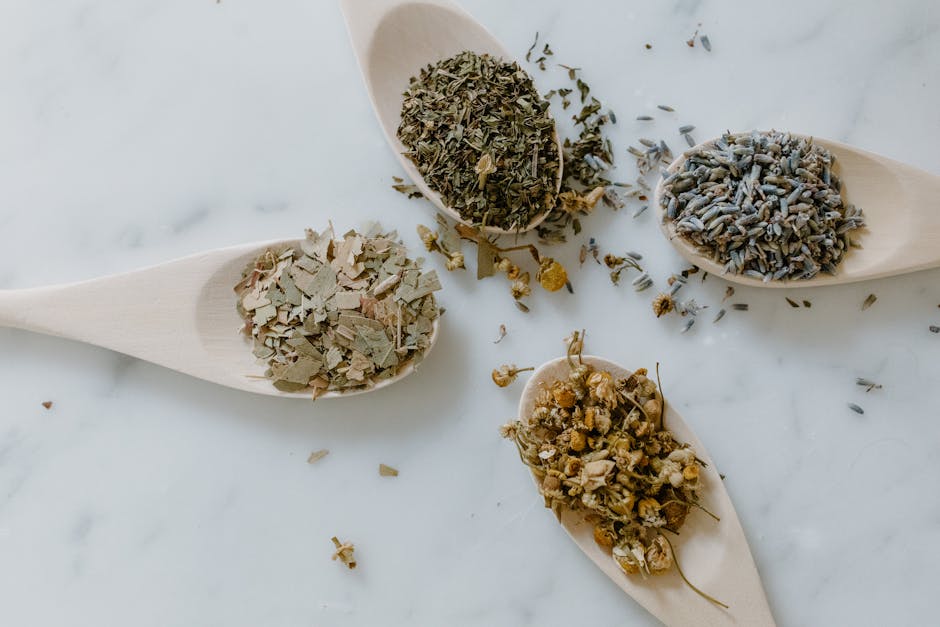
Home remedies handle common, uncomplicated constipation reliably. They stop being appropriate when the pattern is wrong.
Sudden-onset constipation in someone who has been regular for years — with no diet or travel change to explain it — is worth a doctor’s visit rather than a week of prune juice. In adults over 50 especially, new constipation without a clear cause warrants investigation. The same applies to constipation that alternates with diarrhea, which is more suggestive of IBS or IBD than simple sluggish transit.
Chronic reliance on stimulant laxatives — senna tea, castor oil, and herbal products including Smooth Move — carries a real risk of reduced colonic response over time. The colon adapts to external stimulation and contracts less on its own. Use these occasionally when needed, not as a daily routine.
Pain during bowel movements is also a separate problem from constipation itself. Hemorrhoids, anal fissures, and rectal issues cause difficult, painful evacuation regardless of stool consistency. Softening stool may reduce discomfort, but it doesn’t address what’s actually going on — and those conditions are treatable when properly diagnosed.
Medical Disclaimer: This content is for informational purposes only and does not constitute medical advice. Always consult a qualified healthcare professional before making health-related decisions.