You don’t need a $50/month membership to get in shape. The gym is a sterile box with recycled air and bad music. The outdoors is free, varied, and scientifically proven to lower cortisol better than any treadmill session. These six activities cover cardio, strength, mobility, and mental health — without a single piece of shiny chrome equipment.
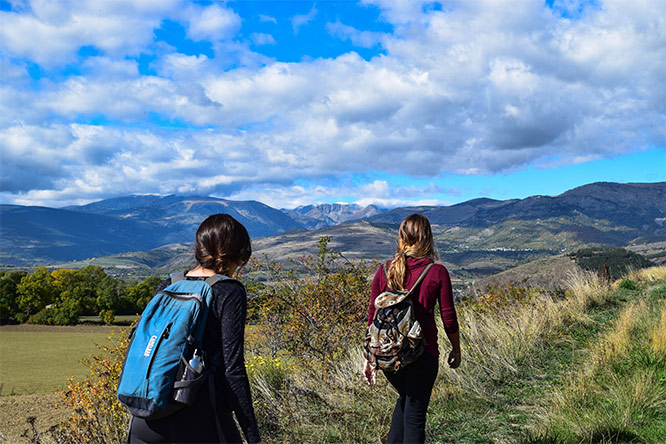
Hiking: The Most Underrated Full-Body Workout
Flat pavement walking is fine for your grandmother. Hiking on real terrain with elevation gain is a different beast. A 70kg person burns roughly 440 calories per hour hiking with a light pack on moderate incline. That’s more than jogging on flat ground.
Hiking forces your stabilizer muscles to work. Your ankles, hips, and core constantly micro-adjust on uneven surfaces. The Merrell Moab 3 ($140) or Salomon X Ultra 4 ($160) give you the grip and support you need. Don’t wear running shoes on rocky trails — you’ll roll an ankle within two miles.
Common mistake: carrying too much water. You don’t need a 3-liter bladder for a 90-minute hike. One liter per two hours is plenty unless it’s 32°C. Extra weight just fatigues your knees on the descent.
How to progress hiking for fitness
Start with 5km on moderate trails. Add a weighted daypack — start at 5kg, work up to 15kg over 8 weeks. The REI Co-op Flash 22 pack ($60) handles this range well. Track elevation gain, not distance. 300 meters of elevation gain is a solid workout. 600 meters will smoke your legs.
When hiking is NOT the right choice
If you have chronic knee pain (especially patellofemoral syndrome), downhill hiking aggravates it. Try flat gravel path walking or cycling instead. Also: avoid hiking in temperatures above 35°C unless you start before 6 AM. Heat exhaustion is not a badge of honor.
Trail Running: Maximum Cardio in Minimum Time
Trail running burns 600-800 calories per hour for a 70kg person. More importantly, it builds bone density and joint stability in ways road running can’t. The uneven ground forces your body to adapt constantly.
Start with a run-walk method: 3 minutes running, 2 minutes walking, repeat 5 times. The Hoka Speedgoat 5 ($155) is the gold standard for trail running shoes — 4mm lugs, Vibram Megagrip outsole, and 33mm stack height for cushioning. The Brooks Cascadia 17 ($140) is a close second with better stability for overpronators.
Critical rule: never increase weekly mileage by more than 10%. Trail running’s impact forces are 2-3x body weight on descents. Jumping from 10km to 20km in a week is how you get shin splints or stress fractures.
What to eat before a trail run
Eat 30-45 minutes before: half a banana with peanut butter, or a slice of toast with honey. Nothing heavy. Your body diverts blood to digestion instead of your legs if you eat a full meal. The GU Energy Gel ($2 each) is useful for runs over 90 minutes — take one at the 45-minute mark.
Trail running failure modes
Most beginners go too fast on the flats and blow up on the climbs. Pace yourself so you can speak in full sentences on the uphill sections. Downhill: shorten your stride and increase cadence to 170-180 steps per minute. Leaning back on descents is wrong — lean slightly forward and let your legs do the braking.
Cycling: Low Impact, High Output
Cycling is the best option if your knees hate you. It’s non-weight-bearing, so you can push your cardiovascular system hard without grinding your joints. A 70kg rider at 20km/h on flat ground burns about 500 calories per hour. Push to 25km/h and that jumps to 700.
You don’t need a $5000 carbon fiber bike. The Trek FX 1 ($650) or Giant Escape 3 ($580) are perfectly capable hybrid bikes for fitness riding. Spend the money on a proper bike fit — $100 at a local shop will save you from numb hands and sore knees.
The single biggest mistake new cyclists make: saddle too low. Your leg should be almost fully extended at the bottom of the pedal stroke (15-20 degree bend in the knee). A low saddle destroys your knees and kills power output.
| Activity | Calories/hour (70kg) | Impact level | Skill required |
|---|---|---|---|
| Road cycling (20km/h) | 500 | Very low | Low |
| Mountain biking | 650 | Medium | Medium |
| Stationary bike (gym) | 400 | Very low | None |
When NOT to cycle for fitness
If you have chronic lower back pain, a road bike’s aggressive forward lean can aggravate it. Consider a hybrid or upright commuter bike instead. Also: cycling alone doesn’t build bone density. You need some weight-bearing activity like hiking or resistance training to prevent osteoporosis.
Open Water Swimming: The Full-Body Metabolic Torch
Swimming in open water is not the same as lap swimming. You’re dealing with currents, temperature variation, and navigation. It’s more physically demanding and mentally sharper. A 70kg swimmer burns roughly 500-700 calories per hour depending on intensity and water temperature.
Cold water (below 20°C) forces your body to work harder to maintain core temperature. That brown fat activation has metabolic benefits that last hours after you get out. The Zone3 Vanquish wetsuit ($250) is the best balance of flexibility and warmth for open water. The Orca Core wetsuit ($200) is a solid budget option.
Safety is non-negotiable. Never swim alone in open water. Use a brightly colored swim buoy (the New Wave Swim Buoy, $30) so boats can see you. Acclimate to cold water gradually — jump in and you risk cold water shock, which can stop your heart.
How to start open water swimming
Find a local triathlon club or open water swimming group. Swim parallel to the shore, not straight out. Start with 15-minute sessions. Build to 30 minutes over 4 weeks. Sighting (lifting your head to look where you’re going) is a skill — practice it every 6-8 strokes.
The truth about swimming for weight loss
Swimming makes you hungry. Cold water especially triggers appetite. Many people swim hard then eat back all the calories. Control your post-swim snack: stick to protein and vegetables, not a giant sandwich and chips.
Kayaking: The Surprising Core and Upper Body Builder
Most people think kayaking is a leisurely paddle. Flat water at a moderate pace burns 350-450 calories per hour. Push into rougher water or do interval sprints and you’re looking at 600+. Your core does 80% of the work — not your arms. The rotation comes from your obliques and transverse abdominis.
The Perception Pescador Pro 12 ($900) is a stable, beginner-friendly kayak for fitness paddling. For something lighter, the Old Town Sportsman 106 ($750) is 30kg and easier to car-top. A proper paddle matters more than the kayak — the Werner Camano ($250) with a fiberglass shaft reduces fatigue significantly compared to aluminum.
Technique failure mode: using only your arms. You’ll fatigue in 15 minutes and get tendonitis. The power comes from torso rotation. Keep your arms relatively straight and rotate your upper body. Your abdominal muscles should be sore after a good session, not your shoulders.
When kayaking is a bad idea
If you have shoulder instability or a history of dislocation, the repetitive overhead motion of paddling is risky. Stick to flat water and use a shorter paddle (220cm instead of 240cm) to reduce shoulder strain. Also: avoid kayaking in wind above 25km/h unless you’re experienced — you can get blown across a lake fast.
Gardening: The Activity You Already Have Access To
Yes, gardening counts. Digging, lifting, squatting, and carrying for one hour burns 300-400 calories for a 70kg person. That’s comparable to a slow jog. But the real value is the functional movement pattern: squatting to plant, twisting to reach, carrying bags of soil.
One hour of heavy gardening (digging, shoveling, raking) builds grip strength, leg strength, and cardiovascular endurance. The Fiskars Steel D-handle Shovel ($35) with a sharp blade reduces the effort by 30% compared to a cheap shovel. The Felco F-2 Pruners ($55) are the industry standard — they last 10+ years with proper maintenance.
The hidden risk: repetitive bending without proper form. Use a kneeling pad or a garden stool. Alternate your stance. Most gardeners wreck their lower back because they twist while lifting. Keep your back straight and pivot with your feet.
How to turn gardening into a workout
Set a timer. Do 20 minutes of digging, 10 minutes of weeding (squat, don’t bend), 10 minutes of carrying water buckets. Rest 2 minutes. Repeat. Track your heart rate — aim for 60-70% of max (roughly 220 minus your age). If you’re not sweating, you’re not working hard enough.
When gardening doesn’t cut it
If your fitness goal is significant muscle gain or high-intensity cardio, gardening won’t get you there. It’s a moderate-intensity activity best used as active recovery or supplemental movement. For building muscle, you still need resistance training with progressive overload.
The bottom line: Hiking and trail running give you the best calorie burn and bone density benefits. Cycling is the joint-friendly cardio king. Open water swimming offers unique metabolic advantages. Kayaking builds core strength without boring you. Gardening is the entry point for people who hate exercise. Pick two and rotate them weekly. Your body adapts to any single activity in 4-6 weeks — variety is the actual secret to staying fit outdoors.
Medical Disclaimer: This content is for informational purposes only and does not constitute medical advice. Always consult a qualified healthcare professional before making health-related decisions.