
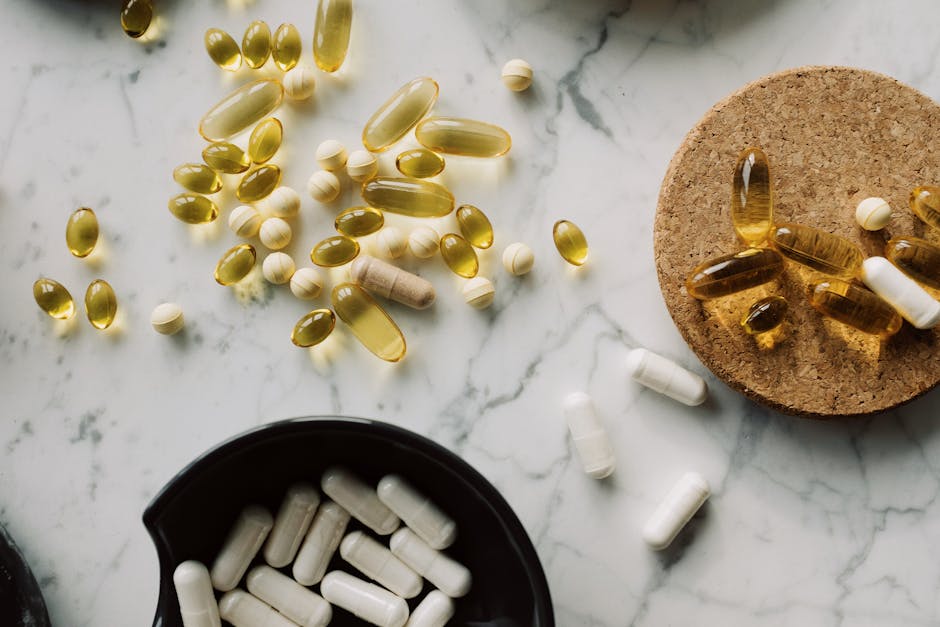
A common misconception persists that a standard daily multivitamin acts as a comprehensive insurance policy for female health. The reality, supported by clinical nutrition data, is more nuanced. Many all-in-one formulas contain sub-therapeutic doses of critical nutrients while using cheaper, less absorbable forms of minerals like magnesium oxide or calcium carbonate. Furthermore, the presence of certain minerals in the same pill can lead to competitive absorption; for instance, calcium can significantly inhibit the uptake of iron if taken simultaneously. Effective supplementation requires a targeted approach based on physiological needs rather than a one-size-fits-all solution.
What are the most scientifically backed supplements for women’s health?
When analyzing the literature on female physiology, three specific supplements consistently demonstrate measurable benefits across the broadest demographic: Vitamin D3, Omega-3 fatty acids, and Magnesium. These are often referred to as ‘foundational’ because they participate in hundreds of enzymatic reactions and systemic functions that are frequently compromised by modern dietary patterns.
Vitamin D3 for Immune Function and Bone Density
Vitamin D functions more like a pro-hormone than a vitamin. For women, it is essential for the intestinal absorption of calcium. Without adequate D3, the body cannot maintain bone mineral density, regardless of calcium intake. Research indicates that Vitamin D3 (cholecalciferol) is significantly more effective at raising serum levels than Vitamin D2 (ergocalciferol). The BetterYou DLux 3000 Vitamin D Spray (approx. £9.95) is a notable option because it utilizes sublingual delivery, bypassing the digestive system which can be beneficial for those with malabsorption issues. A primary advantage is its convenience and rapid absorption, though some users find the peppermint flavor too strong for daily use.
Omega-3 Fatty Acids (EPA and DHA)
Omega-3s are critical for cardiovascular health and the regulation of systemic inflammation. For women, these fatty acids also play a role in managing menstrual pain by modulating prostaglandin production. The ratio of EPA to DHA is important; EPA is generally more associated with anti-inflammatory effects, while DHA is vital for cognitive function. Bare Biology Life & Soul Omega-3 Liquid (approx. £30.00) provides a high concentration of both. It is independently certified for purity, ensuring low levels of heavy metals. While the price point is higher than generic fish oils, the lack of a ‘fishy’ aftertaste and the high potency make it a superior choice for those prioritizing quality.
Magnesium Bisglycinate for Stress and Sleep
Magnesium deficiency is prevalent due to soil depletion and high-stress lifestyles. For women, magnesium is particularly useful for alleviating symptoms of PMS and improving sleep quality by regulating the neurotransmitter GABA. Magnesium bisglycinate is the preferred form for those with sensitive stomachs, as it is bound to the amino acid glycine, which enhances absorption and reduces the laxative effect common with magnesium citrate. Thorne Magnesium Bisglycinate (approx. £45.00) is frequently cited in clinical settings for its high bioavailability. Its main drawback is the cost per serving compared to basic mineral salts, but the reduced risk of gastrointestinal distress justifies the investment for many.
How do nutritional needs change for women at different life stages?

The nutritional requirements of a woman in her 20s differ vastly from those of a woman entering perimenopause or post-menopause. Hormonal shifts dictate how the body utilizes nutrients, particularly concerning blood loss, bone remodeling, and metabolic rate. Understanding these shifts is the difference between effective supplementation and wasted resources.
Iron Requirements During Menstruating Years
Iron deficiency remains the most common nutritional deficiency worldwide, particularly among pre-menopausal women due to monthly blood loss. Fatigue, cold extremities, and brittle nails are classic indicators. However, traditional iron salts like ferrous sulfate often cause constipation and nausea. Solgar Gentle Iron (Iron Bisglycinate) (approx. £14.00) is formulated to be easier on the digestive tract. It is highly effective at raising ferritin levels without the typical side effects. The downside is that it must still be taken away from caffeine and calcium to ensure maximum efficacy.
Folate vs. Folic Acid in Reproductive Health
For women of childbearing age, B9 is critical. However, a significant portion of the population has a genetic variation (MTHFR) that makes it difficult to convert synthetic folic acid into the active form, methylfolate. Therefore, choosing a supplement that contains 5-MTHF (methylfolate) is a more reliable way to ensure cellular uptake. This is vital not just for pregnancy, but for neurotransmitter synthesis and detoxification processes.
Nutritional Support During Menopause
As estrogen levels decline, bone resorption increases, making Vitamin K2 and Calcium more important. Vitamin K2 (specifically the MK-7 form) acts as a traffic controller, directing calcium into the bones and teeth and away from the arteries where it could cause calcification. A combination supplement is often more effective than taking these in isolation. Vitabiotics Osteocare (approx. £6.00) is a widely available retail option that provides a balanced mix, though it uses calcium carbonate, which requires stomach acid for absorption and should be taken with a heavy meal.
| Life Stage | Priority Nutrient | Recommended Form | Primary Benefit |
|---|---|---|---|
| Ages 18-35 | Iron & Folate | Bisglycinate / Methylfolate | Energy & Cellular Repair |
| Pregnancy | Choline & DHA | Bitartrate / Algal or Fish Oil | Fetal Brain Development |
| Ages 40-55 | Magnesium & B-Complex | Malate or Glycinate | Hormonal Transition & Stress |
| Ages 55+ | Vitamin K2 & D3 | MK-7 / Cholecalciferol | Bone Density & Heart Health |
Which supplements support hormonal balance and cycle regularity?
Hormonal fluctuations are not merely a matter of ‘mood’; they are driven by complex endocrine feedback loops that require specific micronutrient co-factors. When these co-factors are missing, the body may struggle to metabolize estrogen or produce sufficient progesterone, leading to cycles characterized by heavy bleeding, acne, or significant mood disturbances.
Zinc for Skin and Progesterone Support
Zinc is a powerhouse for female hormonal health. It plays a role in the development of the ovarian follicle and supports the production of progesterone. For women struggling with hormonal acne, zinc’s anti-inflammatory and antibacterial properties are well-documented. Lamberts Zincatest (approx. £12.00) is a high-quality liquid or tablet option. Zinc should always be balanced with a small amount of copper if taken long-term to prevent secondary deficiency, which is a detail many cheaper brands overlook.
Vitamin B6 and PMS Symptom Management
Vitamin B6 is essential for the synthesis of dopamine and serotonin. Clinical trials have shown that B6 can significantly reduce the emotional symptoms of PMS, including irritability and anxiety. It is also involved in the liver’s ability to clear excess estrogen. It is best taken as part of a B-complex to maintain the balance of all eight B vitamins. Wild Nutrition Food-Grown B6 (approx. £22.00) uses a whole-food matrix which some evidence suggests improves the body’s recognition and use of the vitamin, although the cost per milligram is higher than synthetic pyridoxine.
Clinical evidence suggests that for hormonal support, consistency is more important than dosage. Most fat-soluble vitamins require 8-12 weeks of consistent intake to reach steady-state levels in the blood and exert a noticeable effect on the menstrual cycle.
What are the best supplements for female bone density and skin health?

The decline in collagen production begins as early as the mid-20s, and the rate of bone loss accelerates after menopause. While diet provides the building blocks, targeted supplementation can help mitigate the structural changes associated with aging. This is not just about aesthetics; it is about skeletal integrity and joint mobility.
Collagen Peptides: More Than a Beauty Trend
While often marketed for wrinkles, hydrolyzed collagen peptides (Types I and III) provide the specific amino acids—proline, glycine, and hydroxyproline—needed for joint repair and bone matrix formation. Vital Proteins Collagen Peptides (approx. £25.00) is a popular choice because it is unflavored and dissolves easily in hot or cold liquids. The pro is its versatility; the con is that it is an animal-derived product, making it unsuitable for vegans. For those seeking plant-based alternatives, the focus should be on “collagen boosters” like Vitamin C and Silica, which stimulate the body’s own production.
Calcium: Choosing the Right Source
Calcium is often misunderstood. Taking massive doses of calcium carbonate can lead to arterial stiffness if not accompanied by Vitamin K2. Furthermore, the body can only absorb about 500mg of calcium at a time. Therefore, split doses are necessary. New Chapter Bone Strength Take Care (approx. £35.00) uses plant-sourced calcium from algae, which includes trace minerals like strontium and vanadium that aid in bone formation. It is more expensive than stone-ground calcium but is often better tolerated by the digestive system.
The Role of Vitamin C in Structural Integrity
Vitamin C is a mandatory co-factor for collagen synthesis. Without it, the cross-linking of collagen fibers cannot occur, leading to weakened skin and connective tissue. For women, Vitamin C also aids in iron absorption. A buffered Vitamin C, like Ester-C (approx. £15.00), is non-acidic and stays in the white blood cells longer than standard ascorbic acid. It’s a pragmatic choice for those who want to support both their immune system and their skin health simultaneously.
How to identify high-quality supplement brands and effective dosages?

The supplement industry is loosely regulated compared to pharmaceuticals. This means the burden of verification falls on the consumer. A high price tag does not always guarantee high quality, but a very low price almost always indicates the use of fillers, synthetic binders, or low-quality raw materials sourced from regions with poor oversight.
Third-Party Testing and Certifications
Look for seals from independent testing organizations such as NSF International, USP (United States Pharmacopeia), or Informed-Sport. These certifications confirm that what is on the label is actually in the bottle and that the product is free from contaminants like mold, lead, and mercury. Brands like Pure Encapsulations and Thorne are transparent about their sourcing and testing protocols, which is why they are frequently recommended by healthcare professionals despite their premium pricing.
Bioavailability and Formulations
Bioavailability refers to the proportion of a nutrient that enters the circulation when introduced into the body and is so able to have an active effect.
- Magnesium: Avoid ‘Oxide’; choose ‘Glycinate’ or ‘Malate’.
- Zinc: Avoid ‘Sulfate’; choose ‘Picolinate’ or ‘Citrate’.
- B12: Avoid ‘Cyanocobalamin’; choose ‘Methylcobalamin’.
- Curcumin: Look for formulations with black pepper extract (piperine) or phytosome technology to increase absorption by up to 2000%.
Selecting the correct form is often more important than the total milligram count listed on the front of the bottle.
Avoiding Unnecessary Additives
Many mass-market supplements found in retail chains contain ‘excipients’ like magnesium stearate, silicon dioxide, and titanium dioxide. While generally recognized as safe in small quantities, they offer no nutritional value and can occasionally interfere with the absorption of the active ingredients. Choosing brands that use ‘clean’ labels with minimal fillers is a logical step for those with sensitivities. Retailers like Holland & Barrett or Boots often carry a range of both budget and premium brands; reading the ‘other ingredients’ list is essential for making an informed choice.
Ultimately, the best supplement regimen is one that is tailored to your specific blood work and lifestyle. While the products mentioned here are backed by strong clinical data, they should complement—not replace—a nutrient-dense diet and regular medical check-ups. Monitoring how you feel and periodically testing your levels of key nutrients like Vitamin D and Ferritin will ensure that your supplementation remains effective and safe over the long term.