

The concept of the human body as a singular, autonomous entity is a biological illusion. In reality, we are walking, talking bioreactors, hosting a vast and complex collection of life forms that outnumber our own human cells. Within the convoluted folds of the small intestine and the cavernous reaches of the colon, trillions of microorganisms—bacteria, fungi, and viruses—engage in a silent, perpetual dance of competition and cooperation that dictates everything from your mood to your metabolic rate. While the term ‘probiotic’ has become a marketing buzzword found on everything from sugary yogurts to skincare serums, the clinical reality is far more specific. Selecting the best gut health probiotics requires looking past the flashy packaging and into the microscopic details of strain specificity, colony-forming units (CFUs), and delivery mechanisms that ensure these delicate organisms survive the acidic gauntlet of the stomach.
The rigorous science of selecting a gut health probiotic
The efficacy of a probiotic is not determined by a single number, despite what many marketing departments would have you believe. For years, consumers were led to believe that a higher CFU count—the number of live bacteria per serving—automatically equated to a better product. This is a reductive view of microbiology. A supplement containing 100 billion CFUs of a single, poorly researched strain is significantly less valuable than a 5-billion CFU dose of a clinically validated strain like Lactobacillus rhamnosus GG. When evaluating the marketplace, one must scrutinize the label for specific strain designations. If a label simply lists ‘Lactobacillus acidophilus’ without a following string of letters or numbers (such as La-14 or NCFM), you are essentially buying a generic product without a proven track record. These alphanumeric codes are the equivalent of a biological social security number; they identify the exact strain used in the clinical trials that proved the supplement’s benefits.
Survival is the second, and perhaps most difficult, hurdle for any probiotic supplement. The human stomach is an incredibly hostile environment, designed to break down organic matter with a flood of hydrochloric acid. Many standard probiotic capsules dissolve too early, releasing their contents into the stomach where the bacteria are promptly neutralized before they can reach the intestines. This is where delivery technology becomes critical for the consumer’s return on investment. Look for delayed-release capsules (DRcaps), enteric coatings, or specialized ‘nested’ capsule-in-capsule designs. These engineering solutions ensure the cargo is delivered to the distal small intestine and colon where it can actually colonize and exert a biological effect. Furthermore, shelf-stability is a major logistical concern. While some high-potency probiotics require refrigeration to maintain viability, many modern formulations use desiccant-lined bottles or specialized freeze-drying techniques to keep the bacteria dormant but alive at room temperature. This is particularly important for those who purchase their supplements through major retail platforms where shipping conditions may vary.
Finally, consider the inclusion of prebiotics. These are non-digestible fibers that act as ‘fuel’ for the beneficial bacteria. A synbiotic—a supplement that combines both probiotics and prebiotics—can offer a synergistic effect, providing the bacteria with the nourishment they need to thrive upon arrival in the gut. However, researchers often caution that for individuals with sensitive digestive systems or conditions like SIBO (Small Intestinal Bacterial Overgrowth), certain prebiotics like inulin or FOS (fructooligosaccharides) can actually trigger bloating and distress. In these cases, a ‘naked’ probiotic or one with a low-fermentation prebiotic like partially hydrolyzed guar gum (PHGG) might be preferable to avoid exacerbating existing symptoms.
Key Criteria for Evaluation
- Strain Specificity: Does the product list specific strains (e.g., Bifidobacterium animalis subsp. lactis HN019) that have been used in peer-reviewed human trials? This is the gold standard for clinical efficacy.
- Viability Guarantees: Does the brand guarantee the CFU count at the time of expiry, or only at the time of manufacture? The latter is often a red flag, as bacteria naturally die off over time.
- Third-Party Testing: Is the product verified by independent bodies like NSF, USP, or Informed-Sport to ensure purity, label accuracy, and the absence of contaminants?
- Storage Requirements: Does the product fit your lifestyle? If you travel frequently or lack consistent refrigeration, a shelf-stable option is mandatory to prevent the supplement from becoming inert.
- Manufacturing Standards: Look for products manufactured in cGMP (Current Good Manufacturing Practice) facilities, which ensure the highest levels of quality control.
Analysis of top-rated probiotics for general wellness

For the average individual seeking to improve bowel regularity, enhance nutrient absorption, and reduce occasional bloating, the market offers several robust options. One of the most technically advanced products currently available is the Seed DS-01 Daily Synbiotic. Priced at approximately $49.99 for a monthly subscription, it utilizes a unique ‘ViaCap’ delivery system—a capsule inside a capsule. This design protects the 24-strain probiotic blend from stomach acid using an outer prebiotic shell derived from Indian pomegranate. The strains included in DS-01 have been studied for their effects on intestinal barrier integrity, cardiovascular health, and even dermatological health, making it a comprehensive choice for those willing to invest in premium biotechnology. It provides 53.6 billion AFU (Active Fluorescent Units), a more precise measurement than standard CFU.
Pros of Seed DS-01: Exceptional survivability data; includes strains specifically for skin health and folate production; sustainable packaging (refillable glass jar); no refrigeration required.
Cons of Seed DS-01: High price point; subscription-only model can be restrictive; the outer prebiotic shell may cause mild initial gas in sensitive users.
On the more accessible end of the spectrum is Culturelle Digestive Daily Health. Retail prices typically hover around $18.00 to $23.00, making it a staple in major retail pharmacies and online marketplaces. Culturelle relies heavily on a single, powerhouse strain: Lactobacillus rhamnosus GG (LGG). This is arguably the most researched probiotic strain in the world, with over 1,000 scientific studies backing its use for occasional diarrhea, immune support, and gut barrier function. While it lacks the multi-strain diversity of more expensive brands, its simplicity is its strength; it is highly stable and rarely causes the ‘adjustment’ bloating sometimes seen with complex blends. It is an excellent ‘starter’ probiotic for those new to supplementation.
Pros of Culturelle: Extremely well-studied single strain; widely available at retail outlets; very affordable; allergen-free formulations available.
Cons of Culturelle: Lacks strain diversity; contains sucrose and magnesium stearate in some versions; lower total CFU count compared to premium brands.
Another strong contender for those needing high-potency support is Bio-Kult Advanced Multi-Strain Formulation. Priced around $25.00 for 60 capsules, it offers 14 different strains. What sets Bio-Kult apart is its manufacturing process; the bacteria are cryoprotected during freeze-drying, which allows them to survive the high acidity of the stomach without needing a complex enteric coating. This makes the capsules smaller and easier to swallow, or even possible to break open and sprinkle onto food without losing all efficacy.
Pros of Bio-Kult: High strain diversity; very shelf-stable; affordable price per dose; suitable for children and during pregnancy.
Cons of Bio-Kult: Lower CFU count per capsule (2 billion) compared to others, though the brand argues their strains are more resilient; contains milk and soya used in the fermentation process.
| Product Name | Primary Focus | Approx. Price | CFU/AFU Count | Key Feature |
|---|---|---|---|---|
| Seed DS-01 | Whole Body / Core Health | $49.99 | 53.6 Billion | Dual-capsule technology |
| Culturelle Digestive | Diarrhea / Regularity | $20.00 | 10 Billion | L. rhamnosus GG focus |
| Garden of Life Raw | Digestive Diversity | $45.00 | 100 Billion | Whole food based |
| Thorne FloraSport 20 | Athletes / Immunity | $32.00 | 20 Billion | NSF Certified for Sport |
| Bio-Kult Advanced | Multi-strain Balance | $25.00 | 2 Billion | 14 unique strains |
Specialized probiotics: From women’s health to psychobiotics
The application of probiotics extends far beyond the stomach. Research into the ‘gut-lung axis,’ the ‘gut-brain axis,’ and the ‘vaginal microbiome’ has led to the development of highly targeted formulations. For women, the vaginal microbiome is dominated by Lactobacillus species, which produce lactic acid to maintain a healthy, acidic pH. When this balance is disrupted, issues like bacterial vaginosis or yeast infections can occur. Garden of Life Dr. Formulated Probiotics Once Daily Women’s (approx. $35.00) is a popular choice in this category. It contains 50 billion CFUs from 16 different strains, including L. reuteri and L. fermentum, which have been clinically shown to support vaginal health by migrating from the digestive tract to the vaginal canal. It is specifically formulated to be shelf-stable, removing the need for refrigeration that many older women’s probiotics required.
Pros of Garden of Life Women’s: High strain count focused on female physiology; non-GMO and gluten-free; no refrigeration needed.
Cons of Garden of Life Women’s: Large capsule size; some users report a strong scent upon opening the bottle; high CFU count may be too much for those with very sensitive stomachs.
An emerging and fascinating field is that of ‘psychobiotics’—probiotics that influence mental health. Strains like Bifidobacterium longum NCC3001 and Lactobacillus helveticus R0052 have been studied for their ability to reduce cortisol levels and improve symptoms of anxiety and depression. While these are not replacements for traditional mental health treatments, they represent a new frontier in holistic wellness. Products like Life Extension Florassist Mood Improve utilize these specific strains to support the communication between the gut and the brain via the vagus nerve. This reflects the understanding that 95% of the body’s serotonin is produced in the gut, not the brain.
For those focused on immune resilience, particularly during the winter months or periods of high stress, Thorne FloraSport 20 offers a specialized approach. Thorne is a brand frequently utilized by professional athletes and is NSF Certified for Sport. This specific probiotic blend (priced around $32.00) is designed to support the immune system of individuals undergoing intense physical exertion, which can often suppress immune function. It features a four-strain blend, including Bifidobacterium lactis and Lactobacillus acidophilus, which help maintain the gut barrier—the body’s first line of defense against pathogens. Because it is individually blister-packed, it remains stable even in gym bags or during travel, which is a significant advantage for active users who cannot rely on a steady environment.
Avoiding common probiotic mistakes

Many consumers fail to see results from probiotics not because the products are ineffective, but because of errors in administration and storage. One of the most common mistakes is ‘over-supplementing’ without a clear goal. Taking a high-potency probiotic when your gut is already balanced can lead to a state of dysbiosis, where the supplemental strains actually crowd out your native, beneficial bacteria. It is often better to start with a lower dose and gradually increase it as your body adapts. Another frequent error is ignoring the ‘use by’ date. Probiotics are living organisms; they have a shelf life. Purchasing from reputable retail partners ensures that you are receiving stock that has been stored correctly and is far from its expiration date.
Timing also plays a crucial role. Taking a probiotic with a hot beverage, like coffee or tea, can be detrimental. The heat can kill the bacteria before they even reach your stomach. Similarly, taking probiotics at the same time as antibiotics is a common point of confusion. While probiotics are essential for replenishing the gut after a course of antibiotics, taking them at the exact same moment often results in the antibiotic killing the probiotic bacteria. Most experts recommend spacing them out by at least two to four hours to allow the probiotic a chance to settle.
Finally, the ‘refrigeration myth’ still persists. While some probiotics definitely require cold storage to remain viable, many modern brands have developed stabilization techniques that make refrigeration unnecessary. In fact, constantly moving a ‘shelf-stable’ probiotic in and out of a refrigerator can introduce moisture (condensation) into the bottle, which may actually activate the bacteria prematurely and cause them to die before you ingest them. Always follow the specific storage instructions on the manufacturer’s label rather than assuming all probiotics need to be kept cold.
The financial landscape of long-term gut health
Maintaining a healthy microbiome is a long-term commitment, and the costs can add up. However, viewing these supplements as an investment in preventative health can change the perspective. When you consider the retail landscape, there are many ways to make high-quality probiotics more affordable. Many retail giants and specialized health platforms offer subscription models that provide a 10-15% discount on recurring orders. For those managing a strict budget, using retail finance options or credit services available through major online stores can help spread the cost of a 90-day or 180-day supply, which often carries a lower price-per-capsule than a single month’s bottle.
Furthermore, many premium brands offer ‘bundle and save’ options. For instance, purchasing a probiotic alongside a multivitamin or an Omega-3 supplement from the same manufacturer can often trigger significant savings. It is also worth checking for retail loyalty programs; many pharmacies and health food stores offer points systems that can eventually be redeemed for discounts on future supplement purchases. When health is viewed as a long-term investment, the cost-benefit analysis of a $1.00 per day probiotic vs. the potential costs of chronic digestive distress and lost productivity becomes much clearer. By shopping through established retail partners, consumers can also ensure they are protected by return policies and quality guarantees that smaller, unverified sellers may not provide.
How to maximize the effectiveness of your probiotic regimen
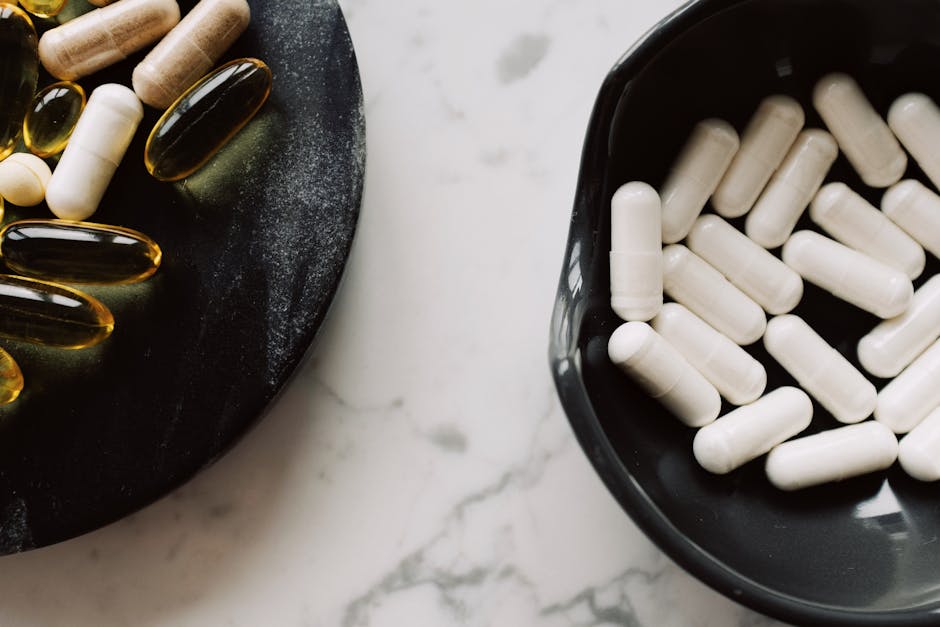
Simply swallowing a pill is rarely enough to transform a microbiome. The environment into which the bacteria are introduced is just as important as the bacteria themselves. To maximize your investment in the best gut health probiotics, timing and diet must be considered. Most manufacturers recommend taking probiotics on an empty stomach, roughly 30 minutes before a meal, or right before bed. The logic here is to minimize the time the capsule spends in the stomach’s acidic environment. When the stomach is empty, the transit time to the small intestine is faster, increasing the survival rate of the microbes. If the probiotic is taken with a heavy, fatty meal, it may sit in the stomach for hours, exposed to acid and bile that can degrade the capsule’s integrity.
Dietary diversity is the second pillar of success. A probiotic is a seed; your diet is the soil. If you eat a diet high in ultra-processed foods, refined sugars, and low in fiber, the beneficial bacteria will struggle to find a niche. Incorporating a wide variety of plant-based foods—aiming for 30 different plants per week—provides the diverse range of prebiotic fibers needed to support a complex microbiome. Foods like leeks, garlic, onions, asparagus, and slightly under-ripe bananas are excellent natural sources of prebiotic fuel. Furthermore, reducing the intake of artificial sweeteners like aspartame and saccharin is advisable, as some studies suggest these compounds can negatively alter the composition of gut bacteria, favoring strains that are linked to metabolic dysfunction.
Consistency is more important than potency. The microbiome is a dynamic system, and supplemental bacteria generally do not stay in the gut permanently. They are transient visitors that exert their effects as they pass through, influencing the native population and the immune system. Therefore, taking a mid-range probiotic every single day is far more effective than taking a high-potency one once a week.
It is also worth considering the ‘postbiotic’ landscape. Postbiotics are the bioactive compounds produced by bacteria during fermentation, such as short-chain fatty acids (SCFAs) like butyrate. Butyrate is the primary energy source for the cells lining the colon and plays a vital role in reducing inflammation and maintaining the ‘tight junctions’ of the gut barrier. Some advanced probiotic formulations are now beginning to include ‘tributyrin’ or other postbiotic precursors. This reflects a shift in the industry from simply adding ‘more bacteria’ to supporting the entire metabolic output of the gut. As you research your next purchase, keep an eye on these evolving formulations that bridge the gap between probiotics, prebiotics, and postbiotics.
Finally, listen to your body’s feedback loop. When starting a new probiotic, it is common to experience a few days of increased gas or a slight change in bowel habits as the ecosystem rebalances. This is often referred to as a ‘die-off’ or ‘adjustment’ period. However, if symptoms persist for more than two weeks, that specific strain profile may not be the right match for your unique internal chemistry. Every person’s microbiome is as unique as a fingerprint, and what works for one person may not work for another. The future of gut health is moving toward personalization, where stool testing may one day dictate the exact strains an individual needs. Until then, choosing high-quality, clinically backed brands from trusted retail sources remains the most reliable path to better digestive and systemic health.