

The common misconception is that eating well on a busy weekday requires a full meal-prep session, several recipes, and a refrigerator packed with matching containers. At 6:40 p.m., when your laptop is still open and everyone is hungry, that plan usually falls apart. You need a repeatable plate, not a cooking project.
A protein-and-veg plate solves the real problem: getting a satisfying meal on the table before hunger turns into random snacking or takeout. The method below uses a simple formula, flexible ingredients, and a few tools that can earn their space in a small kitchen. It works for one person, a couple, or a family with different tastes.
Why a balanced plate beats a complicated weekday recipe
A weekday dinner has to survive low energy, limited time, and imperfect ingredients. That is why a plate formula works better than a recipe schedule. Recipes ask you to follow a fixed sequence. A plate gives you a job for each part of the meal: one item provides protein, one or two provide vegetables, and one provides enough carbohydrate for energy and staying power.
Start with the problem the plate must solve
Protein helps make a small meal feel substantial, while vegetables add volume, color, texture, and key nutrients. A starch such as potatoes, rice, oats, corn, or whole-grain bread makes the meal more useful after a long day, especially if you plan to exercise, work late, or go several hours before eating again. Fat also matters for flavor and satisfaction, but you do not need a heavy sauce to make the plate enjoyable.
The goal is not a perfect percentage at every meal. The goal is a structure that stops dinner from becoming a bowl of plain vegetables followed by a search for cookies.
Use the hand-size portion guide
For a fast starting point, serve one palm-sized portion of protein, two handfuls of vegetables, and one cupped-hand portion of a starchy carbohydrate. Add one thumb-sized portion of oil, nuts, seeds, avocado, cheese, or dressing. Larger people, athletes, and people with higher energy needs may need more. Smaller appetites may need less.
This guide also works when you cannot measure food. A chicken thigh, two eggs with beans, a palm of tofu, or a can of tuna can fill the protein role. Frozen peas, chopped cabbage, spinach, green beans, peppers, and carrots can fill the vegetable role without a special shopping trip.
Build around texture, not just nutrition
Many quick meals fail because everything is soft. Add one crisp, fresh, or crunchy element: cucumber, shredded cabbage, toasted seeds, sliced apple, pickled onions, or roasted chickpeas. Then add a strong flavor in a small amount, such as lemon juice, salsa, soy sauce, yogurt, mustard, or a spice blend.
The winning formula is protein plus two vegetables plus one useful carbohydrate plus a sharp finishing flavor. It gives you enough structure to eat well without forcing the same dinner every night.
How to build a 15-minute plate from whatever is in the fridge

Do not begin by asking what recipe you can make. Begin by checking which part of the plate is missing. This prevents the most common weekday mistake: cooking one ingredient and discovering that dinner still feels incomplete.
Step 1: Pick the fastest protein available
- Choose cooked leftovers first. Sliced chicken, turkey meatballs, roasted salmon, hard-boiled eggs, or baked tofu can go straight onto the plate.
- If nothing is cooked, choose a quick option. Eggs cook in minutes. Thin fish fillets usually cook faster than thick chicken breasts. Canned beans, lentils, tuna, or plain Greek yogurt require no pan time.
- For raw meat, flatten thick pieces or cut them into strips so they cook evenly. Chicken must reach 165°F, ground poultry must reach 165°F, ground beef must reach 160°F, and fish should reach 145°F.
Step 2: Cook vegetables with the least resistance
- Use a skillet for sliced peppers, zucchini, mushrooms, cabbage, or spinach. A hot pan with a small amount of oil can soften most of them in five to eight minutes.
- Use the microwave for frozen broccoli, peas, green beans, or mixed vegetables. Drain excess water and add seasoning after heating.
- Use raw vegetables when cooking feels impossible. Baby carrots, cherry tomatoes, cucumber, bagged slaw, and pre-washed greens still count.
Step 3: Add a no-drama carbohydrate and finish the plate
Keep microwave rice, leftover potatoes, whole-grain toast, corn tortillas, or quick-cooking couscous available. Add one spoonful of salsa, pesto, hummus, yogurt sauce, or vinaigrette. Taste before adding more salt. Acid from lemon or vinegar can wake up a bland plate faster than another shake of seasoning.
Set a 15-minute timer and stop adding tasks when the meal is good enough. The purpose is a reliable dinner, not a restaurant presentation.
Which kitchen tools actually earn a place in a small kitchen?

My strongest recommendation is to buy one reliable thermometer before buying a countertop cooker. Safe, properly cooked protein removes more weekday stress than another appliance. The ThermoWorks Thermapen ONE costs about $109 at regular price, reads in one second or less, and is rated to ±0.5°F. Sale prices change, but its speed and accuracy make it the best pick for people who often overcook chicken or fish.
The three tools that solve real weekday problems
- ThermoWorks Thermapen ONE: Use it to check the thickest part of chicken, fish, burgers, and reheated leftovers. It is the best choice for cooking confidence because the reading takes almost no time.
- OXO Good Grips Prep & Go 10-Piece Container Set: The set is usually listed around $29.99 and includes leak-resistant containers, a divided container, a soup container, and condiment cups. It is the best buy for people who pack lunch or store two days of leftovers.
- Instant Pot Duo Plus 6QT: The official list price is about $139.99. It is useful for beans, lentils, shredded chicken, rice, and batch cooking, but it is not the fastest tool for one small dinner because pressure release takes extra time.
- Focus Keeper: This free iOS timer app is enough for a 15-minute cooking sprint. Use one timer for chopping and one for cooking instead of checking your phone between every task.
When not to buy the appliance
Skip the Instant Pot if you cook for one, dislike leftovers, or already have a skillet and microwave. Buy the Thermapen ONE if food safety and overcooked protein are your main problems. Buy the OXO set if the real failure happens after dinner, when leftovers get forgotten in mismatched containers.
A tool earns its place when it removes a repeated obstacle. If it only makes an occasional recipe possible, store the money and use the equipment you already own.
Questions that make weekday plates easier to repeat
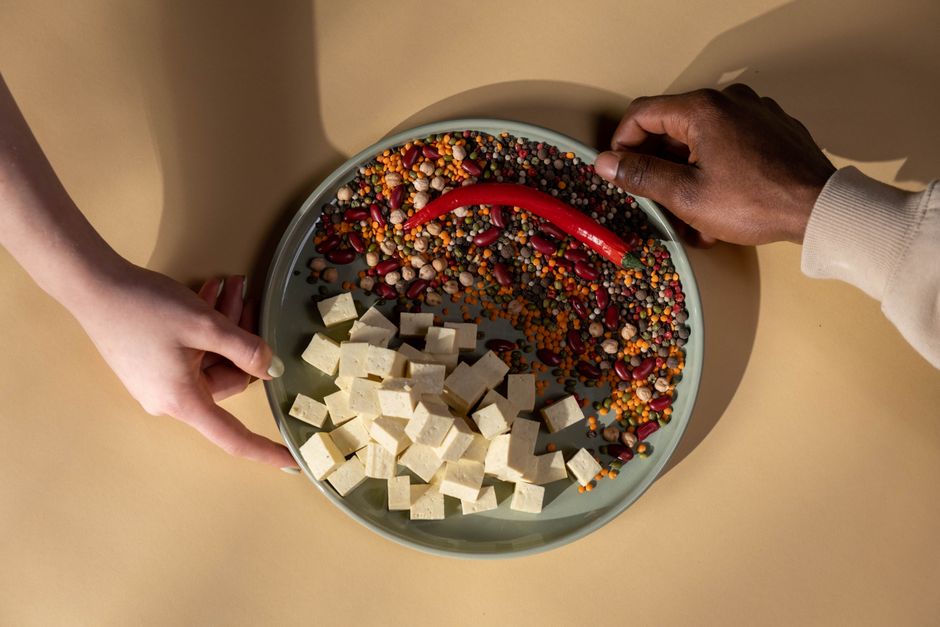
Can a plant-based plate provide enough protein?
Yes, if the plate includes a clear protein anchor rather than relying on vegetables alone. Use beans, lentils, tofu, tempeh, edamame, eggs, Greek yogurt, or a combination such as beans plus whole-grain tortillas. A bowl of lettuce, salsa, and a few nuts may look healthy but can leave you hungry. Start with the protein portion, then build the vegetables and carbohydrate around it.
Do I need to count calories or weigh every portion?
No. The hand-size guide is enough for a practical starting point. Track portions only when a clinician has asked you to, when you have a specific sports goal, or when you need to understand why your meals are not satisfying. For most busy weekdays, consistency matters more than precise numbers. Use the same plate pattern for two weeks, then adjust the amount of food based on hunger, energy, and leftovers.
What should I do when I have no time to cook at all?
Make an assembly plate: canned tuna or beans, bagged salad, microwave rice, cherry tomatoes, and a simple dressing. Add fruit or yogurt if the meal still feels small. This takes less time than ordering food and gives you control over the main ingredients. If even assembly is impossible, keep an emergency combination at work or home, such as shelf-stable tuna, whole-grain crackers, roasted chickpeas, and a piece of fruit.
The single most important takeaway is to build every busy-weekday dinner around one protein, two vegetables, one practical carbohydrate, and a flavor you will actually enjoy.
Medical Disclaimer: This content is for informational purposes only and does not constitute medical advice. Always consult a qualified healthcare professional before making health-related decisions.