You arrive at the picnic hungry. The table is covered with burgers, potato salad, corn, crisps, brownies, and drinks. You planned to eat lightly, but one burger becomes a burger, a second helping, and dessert. By the time you leave, you decide the whole day is ruined.
That conclusion is the real problem. A picnic is not a test of discipline, and one rich meal does not cancel your health goals. Balance means making room for enjoyable food while still feeding yourself properly. It does not mean building a perfect plate or compensating the next day.
Why picnic food creates all-or-nothing thinking
The real trigger is scarcity, not a lack of willpower
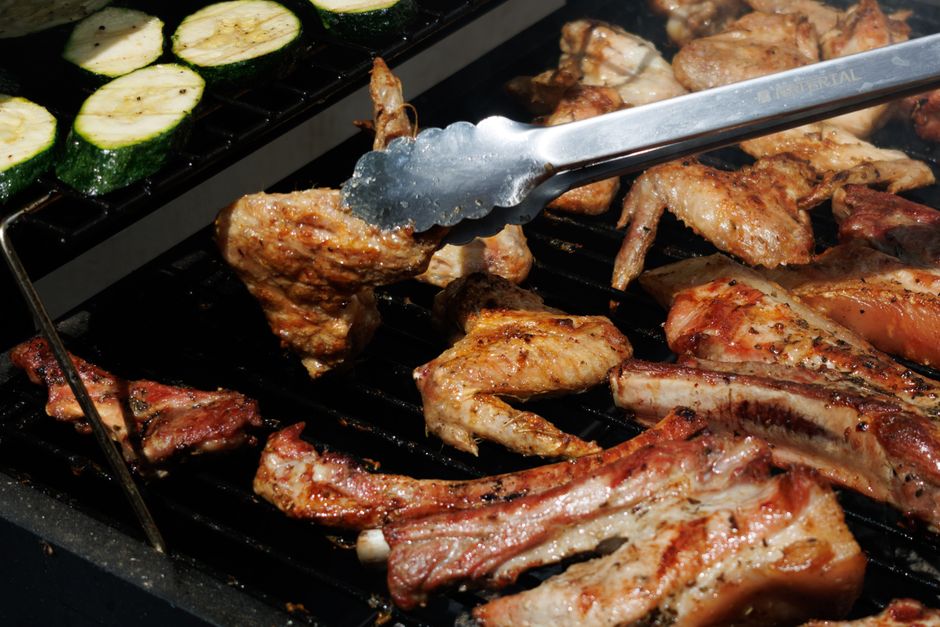
Many people arrive at a BBQ after skipping breakfast or eating a tiny lunch. They hope to save calories for later. The plan sounds sensible, but it creates intense hunger just as the most tempting food appears. Your brain notices the long gap, the smell of grilled meat, and the fact that favorite foods may only appear once or twice each summer. Eating quickly and going back for more becomes predictable.
Strict rules can create the same effect. If you label burgers, crisps, or brownies as forbidden, eating them feels like breaking a promise. Once the rule breaks, the mind often jumps to a second conclusion: the day no longer matters. That is the all-or-nothing loop.
One meal does not change your health
Your overall pattern is shaped by weeks and months of meals, sleep, movement, and stress. A plate of ribs and coleslaw at a family BBQ sits inside that larger pattern. It does not erase your fitness, cause instant weight gain, or require a punishment workout. The scale may rise briefly after salty food because your body holds more water. That is not the same as gaining body fat.
The useful question is not, “Was this meal perfect?” Ask, “What would make the next choice feel steady?” That might mean drinking water, adding fruit, eating a normal breakfast the next morning, or stopping when the food stops tasting as good. The goal is a calm return to routine.
How to build a balanced picnic plate
Use the four-part plate check
- Start with protein. Choose a burger, chicken skewer, bean salad, eggs, fish, or another filling option. A palm-sized serving gives the meal structure without turning protein into a rule.
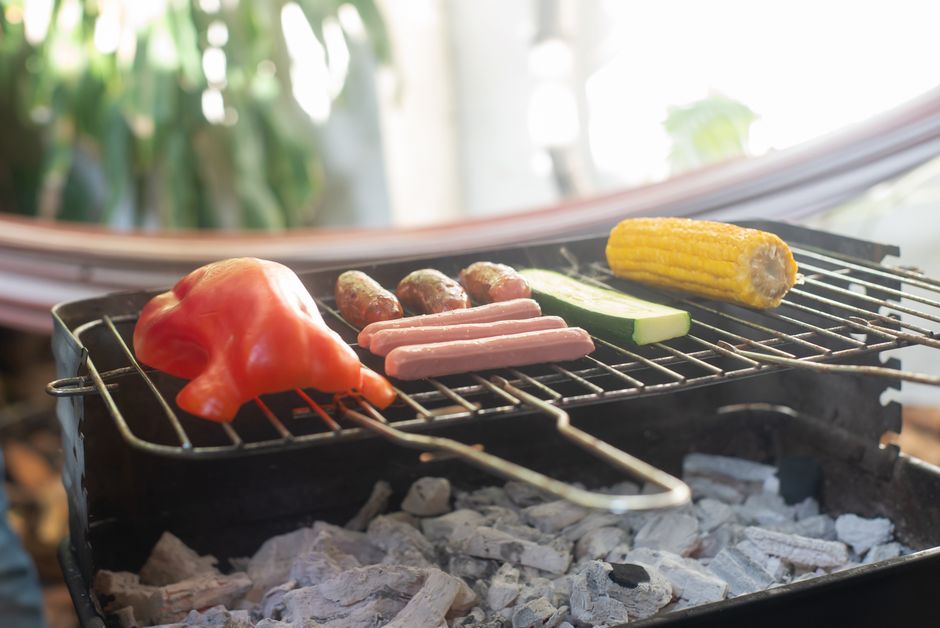
- Add produce. Aim for one or two handfuls of salad, grilled vegetables, fruit, tomatoes, cucumber, corn, or slaw. Fresh food adds color, water, fiber, and texture.
- Pick a satisfying carbohydrate. This could be a bun, potato salad, pasta salad, bread, tortilla chips, or dessert. You do not need to choose a low-carb substitute to create balance.
- Include the food you actually want. If the homemade brownies are the best part of the table, take one and eat it slowly. A planned portion is often more satisfying than trying to avoid it and thinking about it all afternoon.
Make the first plate complete
A first plate with protein, produce, carbohydrates, and a chosen treat works better than grazing from the snack table. It gives you enough food to judge your hunger clearly. Sit down if possible. Put the food on a plate instead of eating directly from a large bag or serving dish. This is a practical boundary, not a demand for perfect mindfulness.
Use hunger and satisfaction as signals
Halfway through the meal, pause for thirty seconds. Is your stomach still hungry, or are you reaching because food is nearby? Does the next bite sound appealing? If the answer is yes, keep eating. If the answer is no, leave the plate and return later if hunger comes back. Stopping at comfortable satisfaction is different from stopping at the smallest possible amount.
What to pack for easier picnic and BBQ balance
My clear pick is a simple food-and-temperature setup, not a collection of “healthy” replacements. The best picnic gear keeps food safe, portions visible, and good options easy to reach. It should reduce friction around eating, not turn lunch into a project.
A practical packing comparison
| Need | Reliable option | Useful specification | Typical price |
|---|---|---|---|
| Keep food cold | YETI Roadie 24 Hard Cooler | 18-can capacity; upright design for bottles and containers | About $250 |
| Cook a small BBQ | Weber Q 1200 Portable Gas Grill | 189 square inches of cooking space; 8,500 BTU per hour | About $259 |
| Carry water | Hydro Flask 32 oz Wide Mouth | 32-ounce capacity; insulated stainless-steel bottle | About $45 |
| Check cooked meat | ThermoWorks Thermapen ONE | One-second temperature reading; approximately 0.5°F accuracy | About $115 |
These products are optional. A basic cooler, reusable bottle, and inexpensive food thermometer can do the same job. The point is to make a balanced choice convenient: cold water should be visible, fruit should not be buried under ice, and cooked food should be safe to eat.
Pack food in visible portions
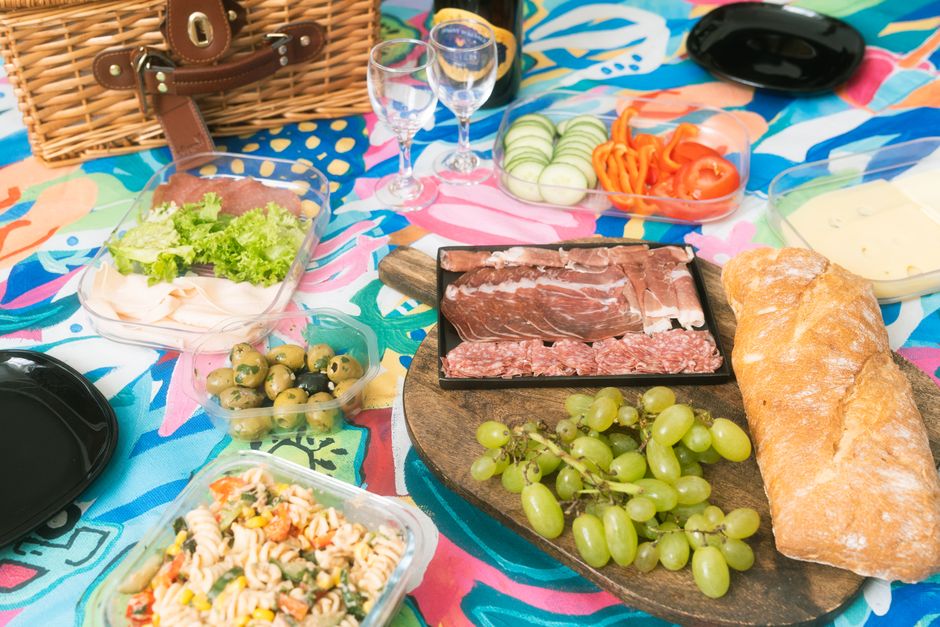
Use smaller containers for dips, crisps, and desserts rather than carrying one large serving bowl for a small group. Pack sandwiches or burgers separately from sauces so people can build the meal they want. Bring one food that adds freshness, such as grapes, sliced melon, cucumber, or a tomato salad. Do not pack it as a punishment food. Pack it because it makes the meal better.
When buying gear is the wrong move
Do not buy a $250 cooler to solve a decision problem. If you picnic twice a year, an ordinary insulated bag may be the smarter choice. Skip the Weber Q 1200 if the park bans gas grills, your group is large, or you already have access to a shared grill. The Hydro Flask is useful for people who carry drinks often; it is unnecessary if a reusable bottle already works. For food safety, though, a thermometer is the strongest value because appearance alone cannot confirm that meat has reached a safe internal temperature.
BBQ questions that deserve a clear answer
Should I skip breakfast before a BBQ?
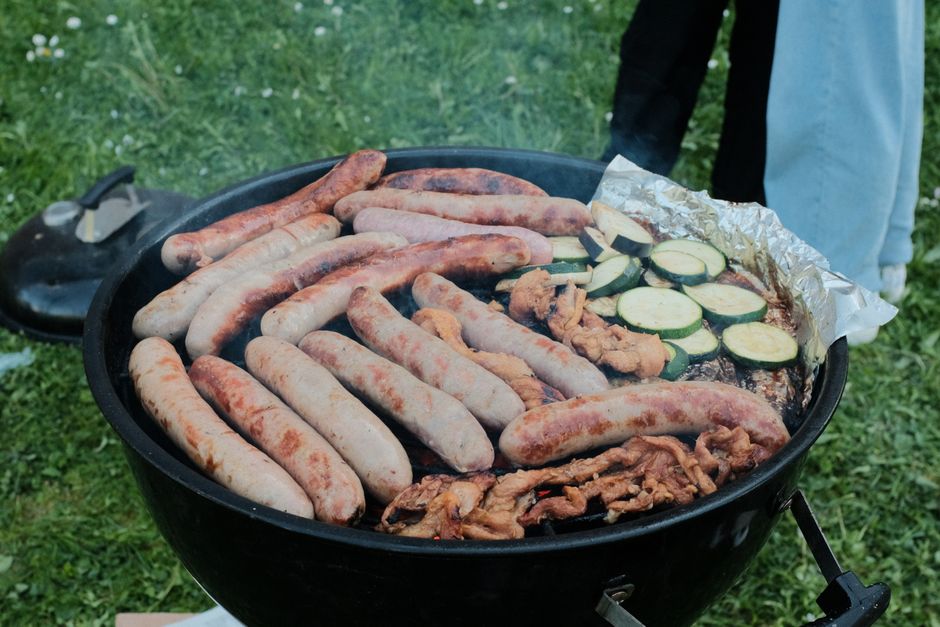
No. Eat a normal meal earlier in the day, especially if the BBQ starts late. A breakfast with yogurt and fruit, eggs and toast, or oats with nuts can reduce the frantic hunger that leads to fast eating. You can still enjoy the BBQ. Arriving comfortable rather than ravenous gives you more control over what you choose.
Can I eat dessert and still have a balanced plate?
Yes. Balance is not a dessert-free plate. Include a serving that you genuinely want, then eat it without standing beside the tray. A brownie, scoop of ice cream, or fruit tart can fit beside a burger and salad. The meal becomes less satisfying when you eat a “healthy” substitute while mentally negotiating for the dessert.
What should I do after eating more than planned?
Do nothing dramatic. Drink when thirsty, take a normal walk if it feels good, and return to your usual meal schedule. Do not fast, double your workout, or weigh yourself repeatedly to search for reassurance. The next useful action is usually boring: eat breakfast, include protein and produce, and move on. If overeating happens often with distress or a sense of losing control, a registered dietitian or eating-disorder specialist can offer support that food rules cannot.
A realistic plan for your next picnic
Before you leave home
Eat a regular meal or snack two to three hours before the event if you expect a late start. Pack water and one food you know will satisfy you. Decide which BBQ food you are most excited about. That small decision can stop you from filling your plate with random items and then missing the dish you wanted.
At the table
Make one complete first plate. Sit down. Eat the food you chose while it is hot and fresh. Afterward, wait a few minutes before deciding on more. If you want seconds, have them. If you want dessert, have dessert. A balanced picnic may include a second burger, a serving of crisps, or a slice of cake when you are hungry and enjoying it.
When the day ends, let it be one day. The best approach in 2026 is still the least dramatic one: regular meals, enjoyable food, enough movement to support your life, and no punishment for being human. Picnics and BBQs are becoming easier to plan around real appetites, which is exactly where food balance should go next.
Medical Disclaimer: This content is for informational purposes only and does not constitute medical advice. Always consult a qualified healthcare professional before making health-related decisions.