

In April, the first warm afternoon can expose the whole winter at once. You walk to the park, climb a short hill, and feel your calves tighten before you reach the bench. Your breathing turns shallow. The next morning, your hips feel stiff enough to make getting out of bed annoying.
That reaction does not mean you have lost your chance to get fit. It means your body needs a smaller starting dose than your motivation wants to give it. The best restart is a steady return to outdoor movement, with enough recovery to keep one ambitious weekend from becoming another month indoors.
Why April outdoor exercise feels harder than expected
Your winter baseline is lower than your memory
Fitness memories are poor guides after several sedentary months. You may remember walking five miles last September, but your current muscles, joints, balance, and breathing system respond to what you have done recently. If most winter movement consisted of short trips indoors and long periods in a chair, a five-mile walk is no longer a normal outing. It is a training session.
The first useful idea is progressive exposure. Give your body repeated, manageable contact with distance, hills, weather, and uneven ground. A 15-minute walk that leaves you able to speak in full sentences teaches more than one hard two-hour hike followed by four days of soreness.
Use breathing and soreness as feedback
Start at a pace that allows the talk test: you can say a complete sentence without stopping to breathe. Faster breathing is fine. Gasping is a sign to slow down or take a short break. Mild muscle tiredness can be normal, but sharp pain, swelling, chest pressure, faintness, or unusual shortness of breath calls for medical advice instead of a tougher workout.
The first mistake is proving too much too soon
Many spring restarts fail because the first sunny day feels like a deadline. People walk far, add hills, and try to make up for lost months in one outing. The result is often blistered feet, irritated knees, or delayed soreness that makes the next walk feel impossible.
Your clear starting verdict: walk less than you think you can handle for the first week, then repeat the dose often enough for it to feel ordinary.
A four-week plan to rebuild outdoor movement

Weeks 1 and 2: make the habit easy to repeat
- Walk for 15 to 20 minutes on four nonconsecutive days during week one. Choose a flat route with an easy exit.
- In week two, use three 20-minute walks and one 30-minute walk. Keep the pace conversational.
- After each walk, spend three minutes moving your ankles, hips, and shoulders. Do not force deep stretches on cold muscles.
- Leave at least one easier day after any walk that includes a hill or noticeably faster pace.
Weeks 3 and 4: add one challenge at a time
- In week three, increase one walk to 35 minutes. Keep the other three between 20 and 25 minutes.
- In week four, add either a gentle hill, a faster ten-minute middle section, or a longer route. Do not add all three in the same week.
- Track how you feel the following morning. If stiffness lasts longer than a day or changes your walking pattern, repeat the previous week.
- Keep one short walk in the schedule even when you feel strong. A 15-minute maintenance walk protects the habit during busy weeks.
This plan works because it controls the two variables that cause most setbacks: total time and intensity. Distance rises slowly, while frequency gives your body repeated practice. The winner for April is not the hardest route. It is the plan you can still follow when rain arrives, sleep is poor, or work runs late.
Which gear earns a place in your April routine?
Buy the item that removes a real barrier
You do not need a new wardrobe or a digital coaching system to restart outdoor movement. Gear earns its place only when it solves a specific problem: painful footwear, poor visibility, forgotten sessions, or uncertainty about pace. Prices below are typical US list prices for 2026 and can change, so use them as buying ceilings rather than permanent quotes.
A practical shortlist, not a shopping project
| Product | Typical price | Useful specification | Best use |
|---|---|---|---|
| Brooks Ghost 16 | $140 | About 9.1 ounces in the men’s version; 10 mm heel-to-toe drop | Best single upgrade for worn walking or running shoes |
| Fitbit Charge 6 | $159.95 | Built-in GPS; up to 7 days of battery life | Best for simple step and heart-rate prompts |
| Garmin vívoactive 5 | $299.99 | 1.2-inch AMOLED display; up to 11 days of battery life | Best for people who want detailed training and recovery data |
My product verdict is simple. Choose the Brooks Ghost 16 if your current shoes have flattened cushioning, damaged soles, or cause foot discomfort. Choose the Fitbit Charge 6 if reminders and visible progress will get you outside four days a week. The Garmin vívoactive 5 is better hardware, but it is the wrong buy for someone who only needs a timer and a step count. No tracker can repair a plan that starts too hard.
Questions that prevent a spring exercise setback

Should I walk through muscle soreness?
Light soreness that improves as you move can fit into an easy walk. Change the route, shorten the time, and keep the pace relaxed. Do not walk through sharp pain, joint swelling, numbness, or a limp. Those signs change the question from fitness progression to injury management.
How do I exercise outside when the weather changes?
Use a clothing rule instead of waiting for perfect conditions: one breathable base layer, one insulating layer, and a light rain or wind shell. Check the forecast before leaving, carry water on walks longer than 30 minutes, and move the session indoors when storms, ice, poor air quality, or extreme heat create a clear hazard. A missed outdoor walk is less damaging than an avoidable fall.
When should I add jogging or hills?
Add jogging only after you can complete three weeks of walking without next-day pain or unusual fatigue. Start with four 20-second jogs separated by two minutes of walking. For hills, begin with one short incline inside an otherwise easy route. Hills increase effort quickly, so they count as intensity even when the distance looks modest.
The best answer for most returning exercisers is patience with a calendar. If you have heart disease, uncontrolled blood pressure, significant joint pain, or a long gap after illness, ask a clinician how to restart before adding intensity.
The best April restart is smaller than your ambition
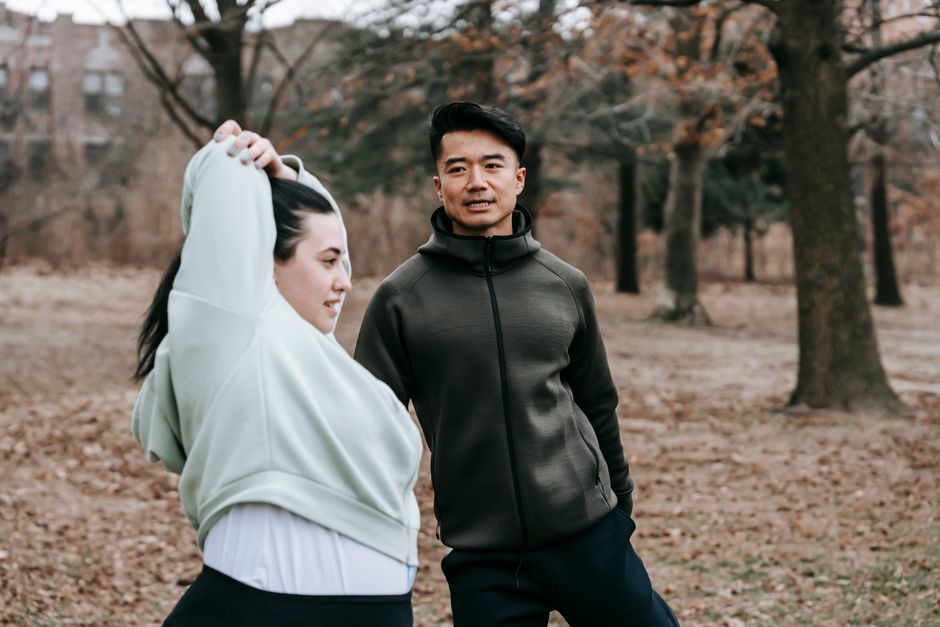
My clear recommendation: begin with four 15-to-20-minute conversational walks each week, buy nothing unless your shoes cause pain, and add only one harder feature after two steady weeks. That approach solves the real problem: rebuilding tolerance and trust in your body after months of low movement.
When a product is worth buying
For most people, the Brooks Ghost 16 is the most useful purchase on this list because worn footwear can turn a simple walk into a foot or knee complaint. The Fitbit Charge 6 makes sense when reminders will change your behavior. The Garmin vívoactive 5 earns its higher price only for someone who genuinely wants GPS routes, training records, and recovery data.
When not to buy anything
Skip the purchase if your shoes are comfortable, your route is safe, and your main problem is inconsistency. Put the money toward a bus fare to a pleasant park, a reflective layer for darker evenings, or nothing at all. The strongest April routine is the one that survives ordinary weather, busy days, and a slower-than-expected first week.
Start flat, keep the talk test easy, and let four repeatable weeks decide when you are ready for distance, hills, or jogging. For a sedentary winter restart, that is the safest route to outdoor movement that lasts beyond April.
Medical Disclaimer: This content is for informational purposes only and does not constitute medical advice. Always consult a qualified healthcare professional before making health-related decisions.