

Are you spending $200 a month on collagen peptides, magnesium, and vitamin C — and genuinely unsure whether any of it is doing anything? That’s the reality for most people managing Ehlers-Danlos syndrome. The supplement industry throws a lot at connective tissue disorders, and almost none of it is tailored to the actual mechanisms behind EDS symptoms.
This article ranks the most commonly used EDS supplements by actual evidence, names specific products and doses worth considering, and identifies the mistakes that drain money or cause reactions you can’t trace back to a cause.
Why EDS Changes the Rules for Supplementation
Ehlers-Danlos syndrome is not a nutrient deficiency. That sentence matters more than any product recommendation that follows.
EDS is caused by genetic mutations affecting collagen structure — typically in genes like COL5A1, COL5A2, or COL3A1, depending on the subtype. Hypermobile EDS (hEDS), which represents roughly 80–90% of cases, doesn’t have a confirmed genetic marker yet, but the connective tissue dysfunction is clearly structural, not nutritional. No supplement corrects a mutation in COL5A1.
So why bother with supplements at all? Three reasons that actually hold up.
Secondary Deficiencies Are Real and Common
GI dysmotility — which affects a substantial portion of hEDS patients — impairs nutrient absorption across the board. Mast cell activation syndrome (MCAS), which co-occurs with EDS in a significant subset of patients, increases inflammatory load and histamine burden in ways that deplete specific nutrients faster than normal. Chronic pain drives systemic inflammation. The result: many EDS patients are genuinely low in magnesium, vitamin D, B12, and vitamin C — not because EDS causes deficiency directly, but because the co-occurring physiology does. Correcting those deficiencies produces real symptom changes. That’s where supplementation earns its place.
The POTS Connection That Makes Magnesium Non-Negotiable
Postural orthostatic tachycardia syndrome (POTS) co-occurs with hEDS at rates estimated between 49–78% in specialty clinic populations. Magnesium plays a direct role in vascular tone regulation and cardiac conduction. Patients with POTS who are magnesium deficient often see meaningful symptom improvement from correction — not because magnesium treats POTS, but because deficiency makes it significantly worse. That’s a clinically important distinction that affects how you prioritize your supplement budget.
Collagen Synthesis Pathways Still Need Cofactors
Even when the structural problem is genetic, the enzymes that cross-link collagen fibers depend on specific cofactors to function. Vitamin C is required for two of those enzymes — prolyl hydroxylase and lysyl hydroxylase — which stabilize collagen’s triple helix structure. Without adequate vitamin C, even the collagen your body can produce is structurally weaker than it should be. That’s not theoretical. That’s the mechanism behind scurvy.
For EDS patients, maximizing the collagen synthesis the body can still perform is a legitimate goal, even when the structural mutation can’t be changed. You’re not replacing broken collagen. You’re optimizing what the body can still do.
Supplement Evidence Comparison for EDS

Evidence level here reflects a combination of direct EDS data (rare to nonexistent), mechanistic rationale, and adjacent clinical evidence from connective tissue or chronic pain conditions. No supplement on this list has been validated in an EDS-specific randomized controlled trial with outcomes like subluxation frequency or joint stability scores.
| Supplement | Evidence Level | Mechanism | Best Form | Example Brand | Typical Dose | Key Warning |
|---|---|---|---|---|---|---|
| Magnesium | Strong rationale | Muscle relaxation, POTS, pain modulation | Glycinate | Pure Encapsulations Magnesium Glycinate | 300–400mg elemental/day | Avoid oxide and citrate — both cause GI issues common in EDS |
| Vitamin C | Strong rationale | Collagen enzyme cofactor, antioxidant | Buffered ascorbate or liposomal | Thorne Vitamin C with Flavonoids | 1,000–3,000mg in split doses | Single large doses cause GI distress — split into 2–3 per day |
| Vitamin D3 + K2 | Moderate–strong | Bone density, immune function, pain modulation | D3 with MK-7 K2 | Seeking Health Optimal D3 + K2 | 2,000–5,000 IU D3 | Test serum 25(OH)D first — toxicity risk above 100 ng/mL |
| Collagen Peptides | Weak–moderate | Amino acid supply for collagen repair | Hydrolyzed Type I + III | Vital Proteins, Garden of Life Raw Collagen | 10–20g/day | Ineffective without concurrent vitamin C; won’t correct gene mutations |
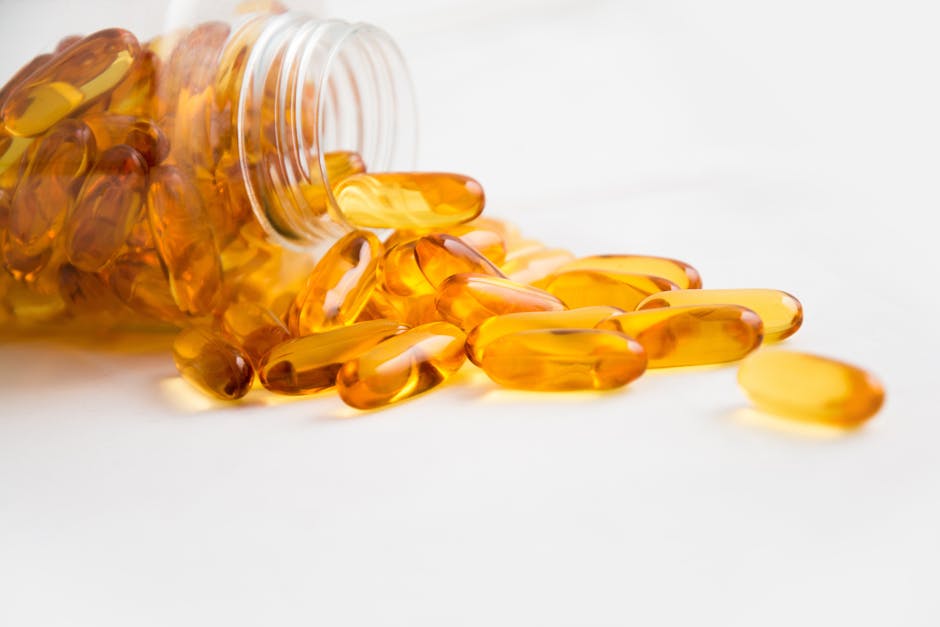
| Omega-3 (Fish Oil) | Moderate | Inflammation reduction | Triglyceride form | Nordic Naturals Ultimate Omega | 2–4g EPA+DHA/day | Cheap ethyl ester forms absorb poorly; check for MCAS histamine reactivity |
| CoQ10 | Weak–moderate | Mitochondrial function, fatigue | Ubiquinol | Doctor’s Best High Absorption CoQ10 | 100–300mg/day | Low priority unless fatigue is the primary complaint |
| Quercetin | Moderate (MCAS only) | Mast cell stabilization, anti-inflammatory | Standard extract | Pure Encapsulations Quercetin | 500mg twice daily | Interacts with quinolone antibiotics and thyroid medications |
Individual response to these supplements varies considerably based on EDS subtype, co-occurring conditions, and current deficiency status. Working with an EDS-knowledgeable physician to test baseline levels before stacking multiple supplements is the equivalent of getting multiple coverage quotes — it prevents expensive guesswork and flags exclusions before you’ve already paid for them.
Where the Evidence Thins Out Fast
Alpha lipoic acid, resveratrol, glucosamine, and chondroitin all appear in EDS supplement discussions online. The evidence for any of these in EDS specifically is essentially zero, and the general joint health evidence for glucosamine/chondroitin has weakened considerably over the past decade of larger trials. They’re not necessarily harmful. They represent spending before the foundational deficiencies are even addressed — which is where the real symptom leverage sits.
Start With Magnesium Glycinate
Before adding anything else, start with magnesium glycinate at 300–400mg elemental per day. Pure Encapsulations Magnesium Glycinate and Thorne Magnesium Bisglycinate are both clean, well-absorbed options at roughly $25–35 for a two-month supply. The glycinate form binds magnesium to glycine, an amino acid, which dramatically improves absorption and avoids the diarrhea that makes citrate impractical for many EDS patients with GI dysmotility. Fix this before spending money on anything else on the list above.
Five Supplementation Mistakes That Waste Money or Cause Reactions

These errors show up consistently across EDS patient communities. Each one either produces no benefit, drains a supplement budget that could go toward more effective options, or triggers a reaction that gets blamed on the wrong thing entirely.
- Taking collagen peptides without vitamin C. Brands like Vital Proteins Collagen Peptides and Garden of Life Raw Collagen provide glycine, proline, and hydroxyproline as raw material. But without adequate vitamin C, your body can’t properly hydroxylate proline — the step that stabilizes collagen fibers structurally. Taking collagen without C is like buying lumber without fasteners. Add at least 500mg vitamin C alongside each collagen serving, or the benefit is significantly reduced.
- Choosing magnesium oxide or citrate. Magnesium oxide has roughly 4% bioavailability — a near-complete waste. Citrate is better absorbed but reliably causes loose stools at the 300–400mg doses that EDS patients actually need, particularly for those with existing GI dysmotility. This single form choice determines whether magnesium actually works or just causes problems. Glycinate or malate are the practical alternatives.
- Starting six supplements at the same time. This is especially risky for EDS patients with MCAS. If a reaction occurs — rash, GI cramping, heart rate spike — there’s no way to identify the culprit. If something helps, you don’t know what. The only workable protocol: start one supplement, hold for two full weeks, then add the next. Slow, but the only method that builds an honest picture of what’s working.
- Chasing niche supplements while vitamin D is still deficient. Reduced outdoor activity from pain and limited mobility makes vitamin D deficiency common in EDS. A 2026 analysis in Pain Medicine found vitamin D deficiency correlated with significantly higher pain scores in hypermobility spectrum disorders. A patient spending money on CoQ10 or resveratrol while sitting at 15 ng/mL vitamin D is solving the wrong problem first — and the Seeking Health Optimal D3 + K2 protocol costs less per month than most specialty supplements.
- Expecting collagen supplements to improve joint stability. Structural collagen mutations aren’t correctable through dietary collagen intake. What collagen supplements provide is amino acid raw material for general tissue maintenance — a real but modest benefit. They will not reduce subluxation frequency or improve measurable joint laxity. Setting realistic expectations here prevents the common pattern of taking collagen for three months, seeing no structural change, and concluding that supplements are universally useless.
Practical Questions EDS Patients Ask About Supplementation
Does collagen powder actually do anything for EDS symptoms?
Yes, but not in the way most people expect. The collagen in supplements doesn’t travel to your joints intact — it breaks down into amino acids (mainly glycine, proline, and hydroxyproline) that your body uses as building material for tissue repair. A 2019 study in Nutrients found 10g/day of hydrolyzed collagen over 24 weeks improved knee joint pain and function in people with activity-related joint complaints. That’s not an EDS trial, but the mechanism overlaps.
Vital Proteins Collagen Peptides at 15–20g/day alongside 500mg vitamin C is a reasonable protocol. Expect modest improvements in pain and soft tissue recovery over months, not structural joint changes. Anyone claiming collagen supplements will stabilize hypermobile joints is overstating what the evidence supports.
What form of magnesium actually absorbs properly for EDS patients?
Glycinate, without debate. It binds magnesium to glycine, which both improves absorption and avoids the GI side effects that make other forms impractical. Thorne Magnesium Bisglycinate provides 200mg elemental magnesium per serving in a formulation that avoids common MCAS-triggering fillers like titanium dioxide and artificial dyes. Pure Encapsulations Magnesium Glycinate is comparably clean.
Malate is a reasonable alternative specifically for people whose primary complaint is fatigue alongside pain, since malic acid has a role in cellular energy metabolism. But for most EDS patients starting fresh, glycinate is the straightforward answer.
Is quercetin worth taking if I have EDS and suspected MCAS?
If MCAS is confirmed or strongly suspected, quercetin is one of the more evidence-backed natural stabilizers available. A 2026 review in Nutrients documented quercetin’s ability to inhibit mast cell degranulation and reduce histamine release via IgE receptor signaling pathways. Pure Encapsulations Quercetin at 500mg twice daily is the standard protocol used in integrative medicine for MCAS management.
Two warnings that matter. First, quercetin affects cytochrome P450 enzymes and can alter the absorption of quinolone antibiotics and levothyroxine. If you’re on thyroid medication, confirm the timing and interaction risk with your prescribing physician before adding quercetin. Second, some MCAS patients react to quercetin itself — another argument for the single-supplement-at-a-time protocol rather than adding it to a stack all at once.
How much vitamin C is actually useful without causing GI problems?
Blood plasma saturates at roughly 200–400mg per individual dose. Above that, absorption drops sharply and the rest is excreted. For EDS patients wanting to maximize cofactor availability for collagen synthesis enzymes, 500mg three to four times daily maintains steadier blood levels than one large dose of 2,000mg.
Thorne Vitamin C with Flavonoids includes bioflavonoids — primarily hesperidin and rutin — that appear to extend vitamin C’s tissue retention. Total daily doses between 1,500–3,000mg are common in EDS communities. Above 4,000mg/day, GI distress becomes frequent enough that pushing further isn’t worth it for most people. The split-dose approach is the practical middle ground: meaningful tissue availability without the GI cost of megadosing.
Back to that original question — whether the monthly supplement spend is actually doing anything. The answer depends almost entirely on whether underlying deficiencies have been tested, whether the right forms are being used (glycinate instead of oxide, split-dose vitamin C instead of single megadoses), and whether co-occurring conditions like MCAS or POTS are shaping which supplements are appropriate. Magnesium glycinate, split-dose vitamin C, and corrected vitamin D3 levels form a defensible foundation for most EDS patients. Everything else gets added based on specific confirmed symptoms — not because a product is marketed generally for joint or collagen support. That shift in approach is where the money stops getting wasted.
Medical Disclaimer: This content is for informational purposes only and does not constitute medical advice. Always consult a qualified healthcare professional before making health-related decisions.