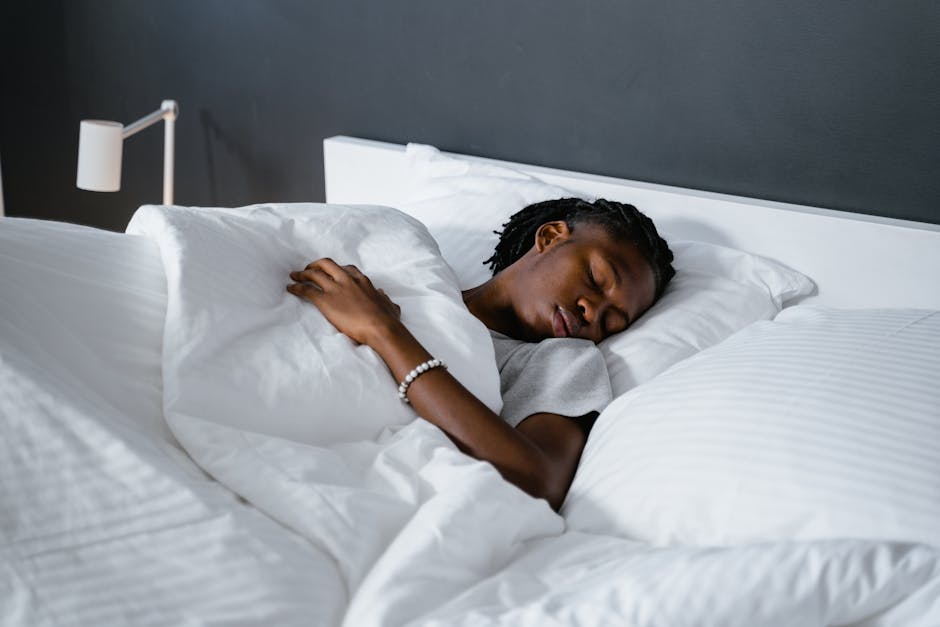
You’re dragging. Again. Coffee isn’t cutting it, and you’re snapping at everyone. You know bad sleep is the culprit. Everyone talks about getting more sleep, but few tell you *how* without pushing some magic pill or gadget. This isn’t that. This is the straight talk about why your sleep sucks and what you need to actually do about it. No fluff, just facts. It’s time to stop pretending sleep is optional. It’s foundational. Mess it up, and everything else crumbles.
Why You’re Sleeping Badly: The Real Culprits
Let’s be blunt. Most of you are sabotaging your own sleep. It’s not some mysterious affliction. It’s habits. Simple, destructive habits. You want better sleep? Stop doing the things that actively prevent it.
The Screen Problem: Too Much Blue Light
Your phone is not your friend an hour before bed. Neither is your tablet or that late-night TV binge. This isn’t rocket science. Screens emit blue light. Blue light tells your brain it’s daytime. Your brain then decides to suppress melatonin, the hormone that makes you feel sleepy. It’s a direct, undeniable link. Scrolling Instagram until your eyes burn is literally telling your body to stay awake. It’s a self-inflicted wound. Put the devices down. Period. Start an hour before you plan to sleep. Two hours is even better.
Caffeine & Alcohol: Your Evening Killers
Think that 4 PM espresso doesn’t affect your 10 PM bedtime? You’re wrong. Caffeine has a half-life of about 5 hours. That means half of it is still buzzing in your system five hours later. If you finish coffee at 4 PM, a quarter of it is still there at 9 PM. That’s enough to disrupt deep sleep. Alcohol? Even worse. While it might make you fall asleep faster, it fragments your sleep later in the night. You get less REM and more awakenings. That “sleep” you got after a few drinks was low-quality, restorative junk. Cut them out, especially after lunch for caffeine and entirely in the evening for alcohol, if you’re serious about sleep.
Stress: The Brain That Won’t Shut Down
This one’s harder, but it’s a huge factor. You lie down, and suddenly your brain decides it’s time to replay every embarrassing moment, every work deadline, every financial worry. That’s stress-induced insomnia. Your body is stuck in ‘fight or flight’ mode. Cortisol levels are high when they should be dropping. You can’t just flip a switch on stress, but you can manage your reaction to it. Ignoring it doesn’t make it go away. It makes you lose sleep. Journaling, short meditation, or even just planning your next day’s tasks before bed can help your brain offload some of that mental clutter. Don’t take your worries to bed.
The Actual Cost of Bad Sleep: It’s Not Just Tiredness

People shrug off poor sleep like it’s a minor inconvenience. It’s not. It’s a health crisis in slow motion, eroding your body and mind. The effects aren’t just feeling a bit groggy; they’re systemic, long-term, and expensive. This isn’t hyperbole. This is what the science says.
When you consistently shortchange yourself on sleep, your body starts to break down. Your immune system weakens, making you more susceptible to every bug going around. That recurring cold? Blame your 5-hour nights. Your hormone regulation goes haywire. Ghrelin, the hunger hormone, spikes, while leptin, which signals fullness, drops. That’s why you crave sugary, high-carb junk when you’re tired. You’re literally programmed to overeat, leading directly to weight gain and an increased risk of type 2 diabetes.
The cardiovascular system takes a hit, too. Chronic sleep deprivation is linked to high blood pressure and an increased risk of heart disease and stroke. It’s a silent killer, building up damage over years. Forget the quick fixes; ignoring your sleep is like driving your car with the check engine light on, hoping for the best. It’s going to cost you, eventually.
Beyond the physical, your brain is suffering. Sleep is when your brain cleans house, consolidates memories, and processes emotions. Without enough of it, your cognitive functions decline. Your focus vanishes. Your reaction time slows. Decision-making becomes a nightmare of indecision and poor judgment. Productivity at work plummets. Mistakes pile up. Think about the hidden costs here: lost opportunities, decreased job performance, increased healthcare expenses due to preventable illnesses. It’s not just a personal problem; it’s an economic drain.
And let’s talk about mental health. There’s a bidirectional relationship between sleep and mood. Poor sleep s anxiety and depression, and these conditions, in turn, make sleep harder. It’s a vicious cycle. Your emotional regulation becomes nonexistent. Small frustrations become towering rage. Your resilience against daily stressors evaporates. You’re not just tired; you’re emotionally volatile and vulnerable. Breaking this cycle often starts with prioritizing sleep. It’s not a luxury; it’s a non-negotiable component of a stable mind.
Health Risks: More Than You Think
- Weakened immune system
- Increased risk of obesity and type 2 diabetes
- Higher blood pressure and cardiovascular disease risk
- Hormonal imbalances
- Increased inflammation
Productivity Drain: Work Suffers
- Decreased focus and concentration
- Slower reaction times
- Impaired decision-making
- Reduced creativity and problem-solving abilities
- More errors and accidents
Mental Health: A Direct Link
- s anxiety and depression
- Increased irritability and mood swings
- Reduced stress resilience
- Impaired emotional regulation
- Higher risk of mental health disorders
Your Bedroom is a Weapon: Make It Work For You
Your bedroom isn’t just a room. It’s your sleep sanctuary, or it should be. If it’s cluttered, too bright, too loud, or uncomfortable, you’re fighting an uphill battle. This isn’t about expensive renovations; it’s about optimizing what you have. A proper sleep environment is your most powerful tool.
Temperature Control: The Cold Hard Facts
You sleep best in a cool room. Not freezing, not warm. Around 65°F (18.3°C) is ideal for most people. Your body naturally drops its core temperature as you prepare for sleep. A warm room actively works against this process. Turn down the thermostat. Use breathable sheets. Open a window if the weather allows. If you’re too hot, you will toss and turn. It’s that simple.
Darkness and Silence: Non-Negotiables
Light exposure, even dim light, can disrupt melatonin production. Seriously, even the standby light on your TV or the glow from a digital alarm clock. Cover them. Use blackout curtains. A good sleep mask works wonders if curtains aren’t enough. As for sound, silence is golden. If absolute quiet isn’t possible, invest in earplugs. Or use a white noise machine; consistent, low-level sound can mask sudden disruptions better than silence in a noisy environment. Don’t compromise here.
Mattress & Pillow: The Foundation
You spend a third of your life on your mattress. Don’t cheap out. An old, lumpy mattress is a direct path to back pain and fragmented sleep. It needs to support your spine and relieve pressure points. Brands like Tempur-Pedic or Casper offer various firmness levels and materials. Find one that suits your sleeping position and body type. Your pillow is just as crucial. It should keep your head and neck in neutral alignment. Side sleepers need a thicker pillow than back sleepers, for instance. Investing in these two items isn’t a luxury; it’s a health imperative. If you wake up with aches, these are the first culprits to investigate.
The Sleep Routine Myth vs. Reality: What Actually Works
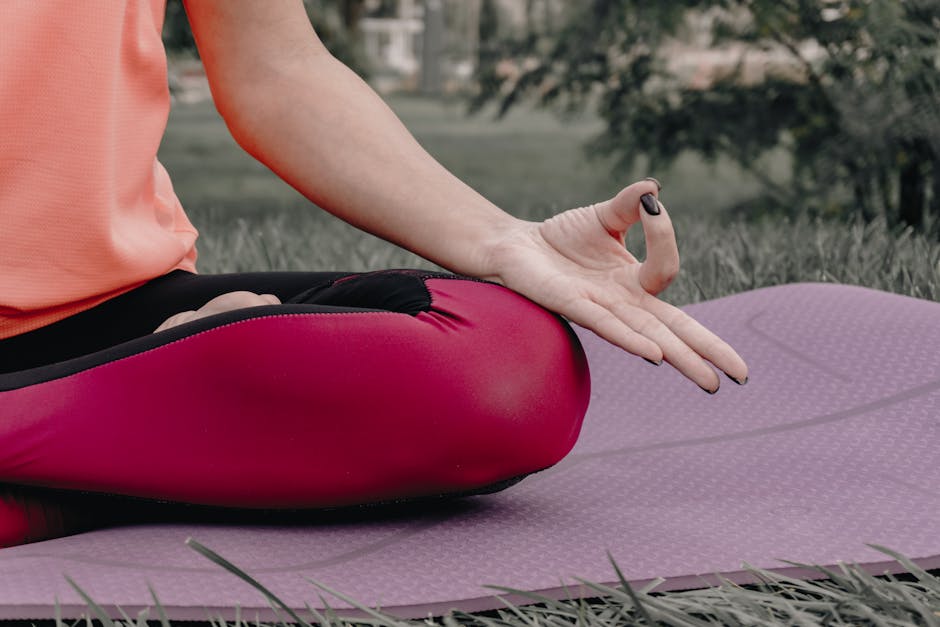
Everyone talks about a “sleep routine.” Most people get it wrong. It’s not about a complex ritual; it’s about consistency and signaling to your body that it’s time to wind down. Forget the vague advice. Here’s what actually moves the needle:
- Consistent Bedtime: Non-Negotiable. Going to bed and waking up at the same time *every single day*, even weekends, is the single most powerful thing you can do for your sleep. This reinforces your circadian rhythm, your body’s internal clock. Your body thrives on predictability. Erratic schedules confuse it, leading to constant jet lag-like symptoms. Pick a time, stick to it. Your body will thank you.
- Wind-Down Rituals: Screens Out. An hour before bed, ditch the screens. Seriously. This means phones, tablets, laptops, and TV. Instead, engage in relaxing activities. Read a physical book. Listen to calm music. Take a warm bath (the cooling process afterward aids sleep). Do some light stretching or meditate. This tells your brain the day is over and it’s time to transition to sleep mode. Don’t underestimate the power of this pre-sleep signaling.
- Morning Light: Reset Your Clock. As soon as you wake up, get some light exposure. Open the curtains, step outside, or use a light therapy lamp (like a Philips Wake-Up Light if natural light is scarce). Bright light in the morning helps suppress melatonin and signals to your body that the day has begun, reinforcing that consistent circadian rhythm we just talked about. This makes it easier to fall asleep later that night. It’s a simple, effective hack for regulating your internal clock.
- Limit Evening Fluids: Stop the Bathroom Breaks. Hydration is good, but chugging water right before bed is a recipe for middle-of-the-night bathroom trips. Cut off significant fluid intake at least two hours before your bedtime. This reduces the chances of your bladder waking you up just as you’re entering deep sleep. It’s a small change, but it makes a big difference for uninterrupted rest.
Sleep Trackers: Useful Data or Just Noise?
You see the ads. Wearables promising deep insights into your slumber. But are these gadgets worth the hype, or just another way to obsess over numbers? The truth is, it depends on what you expect from them. They’re not perfect, but they can be useful.
Do they accurately track sleep stages?
Not perfectly. Consumer-grade sleep trackers, like those found in a Fitbit Sense or an Oura Ring, estimate sleep stages (REM, deep, light) based on heart rate, heart rate variability, and movement. They use algorithms. Polysomnography, the gold standard for sleep stage analysis, involves brain wave monitoring (EEG) in a lab. So, while a device might tell you you got 90 minutes of deep sleep, take that with a grain of salt. It’s an educated guess. They’re good at identifying *when* you’re asleep and awake, and general trends, but less precise on the exact breakdown of stages.
Are they worth the investment?
For some, yes. For others, no. If you’re someone who benefits from data and motivation, a sleep tracker can be a powerful tool. It can highlight patterns you might not notice: “Oh, I always get less deep sleep after late-night workouts,” or “My sleep consistency drops drastically on weekends.” This awareness can drive positive changes. However, if you’re prone to anxiety about numbers or find yourself obsessing over a ‘bad’ score, it might do more harm than good. They aren’t a substitute for listening to your body, but rather a complement to it. Understand their limitations before you buy.
What specific data points matter most?
Forget the deep sleep percentage for a moment. The most useful data points from consumer trackers are often: total sleep duration, sleep onset latency (how long it takes you to fall asleep), and sleep consistency (going to bed and waking up at similar times). These are metrics where the trackers are generally reliable and provide actionable insights. If your total sleep duration is consistently below 7 hours, that’s a problem. If it takes you an hour to fall asleep every night, something needs addressing. And if your schedule is wildly inconsistent, that’s a prime target for improvement. Focus on these macro trends rather than micro-analysis of sleep stages.
Quick Fixes That Are Total BS: Don’t Waste Your Time

Sleeping pills every night without addressing root causes? A band-aid. Chugging “sleepy tea” while scrolling TikTok until midnight? Useless. Relying on a single supplement to magically fix years of bad habits? Delusional. There are no shortcuts to good sleep. It requires consistent effort and tackling the real problems, not just masking symptoms.
Comparing Sleep Aids: Natural vs. OTC
When desperate, people turn to sleep aids. There’s a spectrum, from mild herbal remedies to powerful prescription drugs. Understand what you’re taking and why. These are temporary solutions, not replacements for healthy sleep hygiene.
| Aid Type | Primary Mechanism | Onset Time (Approx.) | Key Considerations |
|---|---|---|---|
| Melatonin Supplements | Hormone signaling darkness | 30-60 minutes | Best for jet lag or shifting sleep schedule. Less effective for chronic insomnia. Start with low dose (0.5-3mg). Can cause grogginess. |
| Valerian Root | Mild sedative properties (GABA increase) | 30-120 minutes | Herbal remedy. Efficacy varies widely among individuals. Some find it helpful, others feel no effect. Not for long-term use. |
| Chamomile Tea | Contains apigenin (mild anxiolytic) | Slow, subtle | Very mild. Primarily for relaxation, not a strong sleep inducer. Safe for regular use. |
| Magnesium Supplements | Muscle relaxation, nervous system calming | Varies (can take days/weeks for full effect) | Helpful if deficient. Can improve sleep quality and reduce restless legs. Not a direct sedative. Generally safe. |
| Diphenhydramine (Benadryl) | Antihistamine with sedative side effect | 30-60 minutes | OTC sleep aids often use this. Can cause next-day grogginess, dry mouth, blurred vision. Tolerance builds quickly. Not for chronic use. |
| Doxylamine Succinate (Unisom) | Antihistamine with sedative side effect | 30-60 minutes | Similar to diphenhydramine. Stronger sedative effect for some. Same side effect profile. Not for chronic use. |
| Prescription Hypnotics (Z-drugs like Ambien) | Acts on GABA receptors in brain | 15-30 minutes | Powerful. For short-term, severe insomnia. Significant side effects (dependence, memory issues, sleepwalking). Requires medical supervision. |
Melatonin: Handle With Care
Melatonin isn’t a sleeping pill. It’s a chronobiotic, meaning it helps regulate your body clock. It’s useful for jet lag or shifting your sleep schedule (e.g., for shift work). For chronic insomnia, its effectiveness is limited. Most people take too much; a small dose (0.5mg to 3mg) is usually sufficient. More isn’t better and can lead to morning grogginess. Use it strategically, not as a nightly crutch.
Valerian Root: Hit or Miss
This herbal supplement has been used for centuries to promote relaxation and sleep. It supposedly increases GABA levels in the brain, similar to how some anti-anxiety medications work. However, its effectiveness is highly individual. Some swear by it, others find it does nothing. The quality of supplements varies, too. It’s generally considered safe for short-term use, but don’t expect a knockout punch. It’s a gentle nudge, at best.
Prescription Options: Last Resort
Drugs like Ambien or Lunesta are powerful. They are designed for short-term use, typically for acute, severe insomnia. They come with significant risks, including dependence, rebound insomnia when stopped, and various side effects like impaired memory or sleepwalking. Your doctor won’t prescribe these lightly, and neither should you take them without careful consideration. They are a tool for crisis management, not a lifestyle choice. Address your sleep hygiene first. Always. These are not solutions for chronic poor sleep caused by bad habits.