

A common misconception says a vegetable soup cannot keep you full unless it contains meat, cream, or a large amount of cheese. The real problem usually sits elsewhere: many soups contain plenty of vegetables but too little protein, too much water, or no ingredient that adds body. A bowl built with the right balance of vegetables, legumes, whole grains, and broth can deliver warmth, fiber, protein, and steady energy without becoming heavy.
The most reliable formula is simple: use two to three cups of vegetables, three-quarters to one cup of cooked beans or lentils, and roughly two cups of broth for each large serving. Add a whole grain, potato, or squash when you need more staying power. The result tastes like comfort food but works more like a complete meal.
Which vegetable and protein pairings work best?
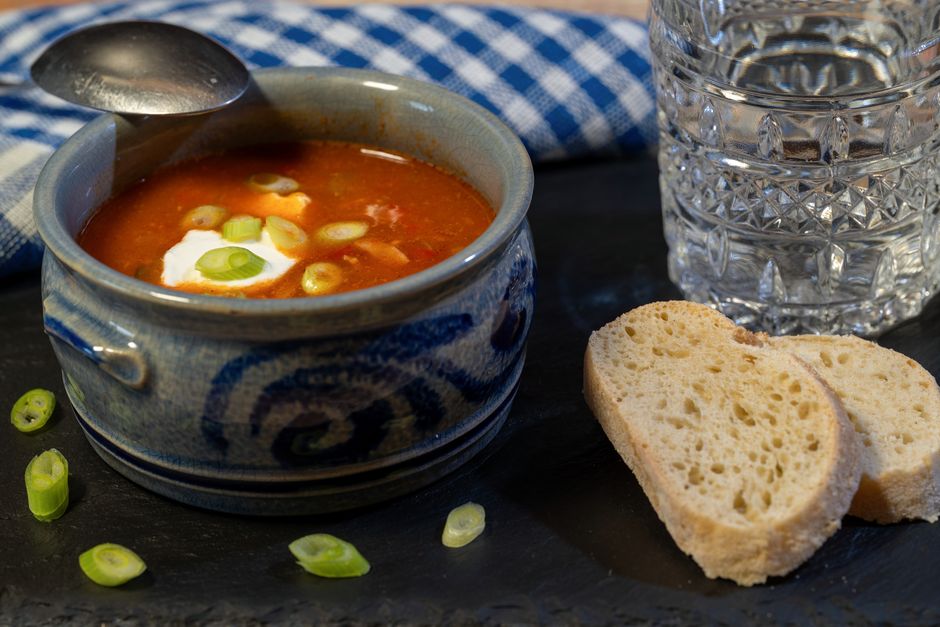
Some combinations succeed because their cooking times and textures match. Others fail because one ingredient turns mushy before the other becomes tender. The table below gives dependable pairings for a four-serving pot. The quantities assume a soup made with about six cups of liquid.
Match the protein to the vegetable
| Protein | Vegetables that fit | Best cooking point | Expected texture |
|---|---|---|---|
| Red lentils | Carrot, tomato, spinach, sweet potato | Add at the start; cook 15 to 20 minutes | Thick and soft |
| Green or brown lentils | Mushroom, celery, kale, potato | Add at the start; cook 25 to 35 minutes | Firm and hearty |
| Canned white beans | Escarole, tomato, fennel, zucchini | Add during the final 10 minutes | Creamy with intact skins |
| Chickpeas | Cauliflower, pumpkin, spinach, tomato | Add during the final 10 minutes | Dense and chewy |
| Split peas | Carrot, onion, celery, potato | Add at the start; cook 35 to 45 minutes | Thick and almost pureed |
Choose one clear flavor direction
Do not throw every vegetable and spice into the same pot. Lentils, tomato, cumin, and lemon create a bright Mediterranean-style soup. White beans, kale, rosemary, and garlic make a more savory combination. Chickpeas, squash, ginger, and mild curry powder produce a sweeter, rounder bowl. The strongest recipes have one clear direction and only a few supporting flavors.
Green lentils with mushrooms and kale are the best choice for a chunky, meal-like soup. Red lentils win when you want a fast, thick soup that cooks in one pot. Canned beans win on busy nights because they need no soaking and only a short reheating period.
How to build a balanced soup from the pantry
Start with ratios instead of a rigid recipe. That approach lets you use what is already in the refrigerator while keeping the final bowl balanced. The following method works for dried lentils, canned beans, frozen vegetables, and most sturdy greens.
A six-step method for four servings
- Start with aromatics. Cook one tablespoon of olive oil with one diced onion, two chopped carrots, and two chopped celery stalks for five to eight minutes. The onion should look translucent and the edges of the vegetables should begin to brown.
- Add seasoning before the liquid. Stir in two minced garlic cloves, one teaspoon of ground cumin, half a teaspoon of smoked paprika, or another focused spice mix. Cook for 30 seconds. This short step spreads the flavor through the oil.
- Add the protein and cooking liquid. Use one cup of dry lentils or three cups of cooked beans. Add six cups of low-sodium broth or water. If you use canned beans, save them for later so they do not split.
- Include a filling carbohydrate. Add one diced medium potato, one cup of winter squash, or half a cup of barley. Barley needs more time than canned beans, so add it with the broth.
- Simmer at a gentle pace. Keep the soup at a low bubble rather than a hard boil. Red lentils usually need 15 to 20 minutes. Brown lentils need 25 to 35 minutes. Barley can need 35 to 45 minutes.
- Finish with tender greens and acid. Add chopped kale, spinach, or cabbage during the final five minutes. Taste after the heat is off, then add lemon juice, vinegar, pepper, or salt in small amounts.
Use the right liquid level
Soup often becomes watery because cooks add too much broth before the vegetables release their own moisture. Begin with liquid that reaches just above the solid ingredients. You can always add more near the end. If the soup becomes too thick, loosen it with a quarter cup of broth at a time instead of pouring in a full cup.
For a thicker bowl, mash one cup of beans against the side of the pot or blend two ladles of soup and stir them back in. This creates body without flour. For a lighter soup, keep the beans whole and add greens during the final minutes.
Which packaged ingredients are worth using?
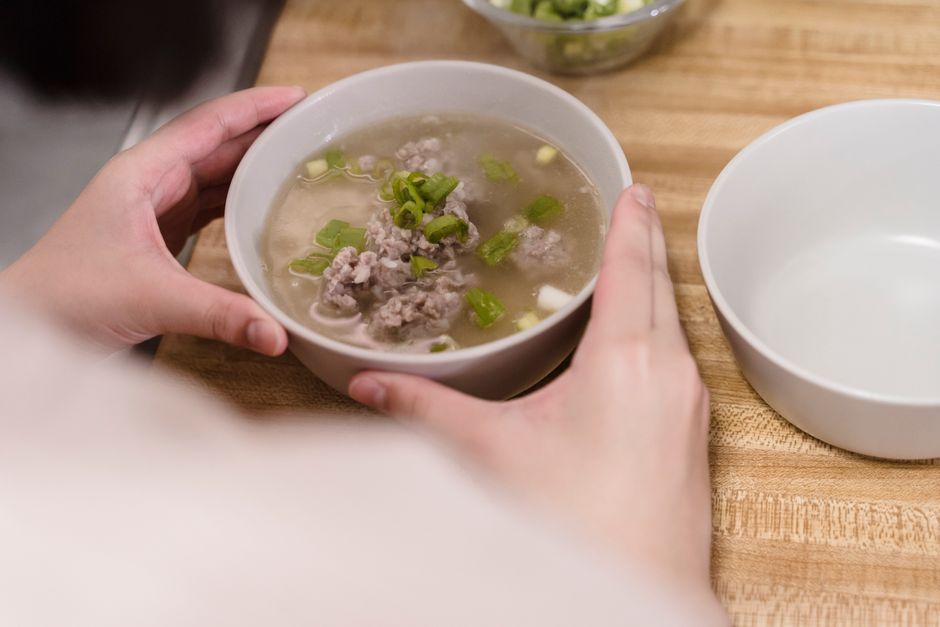
Packaged ingredients can make a nutritious soup easier, but labels deserve attention. The best choices shorten preparation without flooding the pot with salt or added sugar. Product quality varies by store and region, so check the current label instead of treating a brand name as a guarantee.
Are canned beans a healthy shortcut?
Yes. Canned beans are one of the most useful shortcuts for winter soup because the cooking has already happened. Goya Low Sodium Black Beans in a 15.5-ounce can work well in tomato, corn, and pepper soups. Eden Organic Garbanzo Beans No Salt Added provide a firmer texture for chickpea and vegetable soups. Drain and rinse canned beans under cool water, then add them during the final 10 minutes.
Rinsing removes loose surface salt and some of the liquid that can make broth taste muddy. If you buy standard-sodium beans, taste the soup before adding any extra salt. Canned beans do not need an hour of simmering; long cooking can split their skins and turn the broth cloudy.
When do dried lentils beat canned beans?
Dried lentils win when you want the protein to become part of the broth. Bob’s Red Mill Red Lentils cook in about 15 to 20 minutes and soften into a thick base. Green or brown lentils take longer but keep more shape. They work especially well with mushrooms, carrots, potatoes, and dark greens.
Pacific Foods Organic Vegetable Broth in a 32-fluid-ounce carton can help when you need a ready-made base, but broth should support the vegetables rather than dominate them. Choose a lower-sodium version when possible, then build flavor with browned aromatics, herbs, citrus, and spices. For a clear verdict: dried lentils are the best pantry staple for texture and value, while canned beans are the best option for a meal that must reach the table quickly.
Which winter soup formula should you choose?
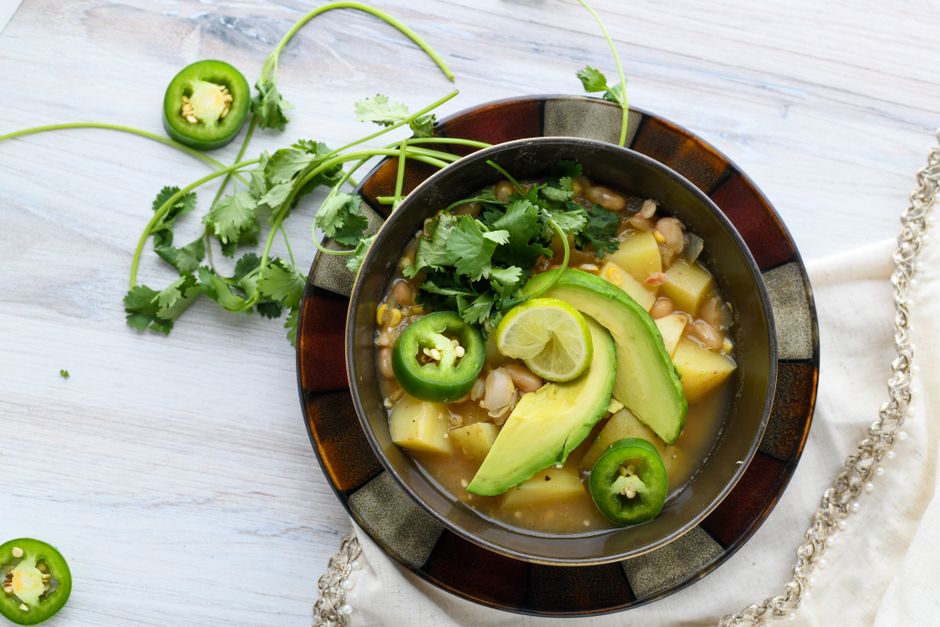
The short verdict
Choose red lentil soup for speed, green lentil soup for a chunky meal, white bean soup for creamy texture without dairy, and chickpea soup for a firm bite. The best formula is the one that matches the time available and the texture you want, but every strong option needs a real protein portion, at least two vegetables, and a final acid adjustment.
A quick comparison for the next pot
| Goal | Best protein | Vegetable direction | Cooking time | Clear choice |
|---|---|---|---|---|
| Fast weeknight dinner | Red lentils | Carrot, tomato, spinach | 25 minutes | Thick and quick |
| Chunky meal prep | Green lentils | Mushroom, kale, potato | 40 minutes | Best texture |
| Minimal cooking | Canned white beans | Zucchini, tomato, escarole | 20 minutes | Best shortcut |
| Bright, firm soup | Chickpeas | Cauliflower, squash, spinach | 30 minutes | Best bite |
| Cold-weather comfort | Split peas | Carrot, celery, potato | 50 minutes | Most filling broth |
For most households, green lentil soup offers the strongest balance of nutrition, texture, and staying power. Red lentils are the better pick when time matters. Either way, build the bowl around vegetables and protein first, then adjust the liquid, grain, spice, and acid until the soup tastes like a meal rather than seasoned water.
Medical Disclaimer: This content is for informational purposes only and does not constitute medical advice. Always consult a qualified healthcare professional before making health-related decisions.