
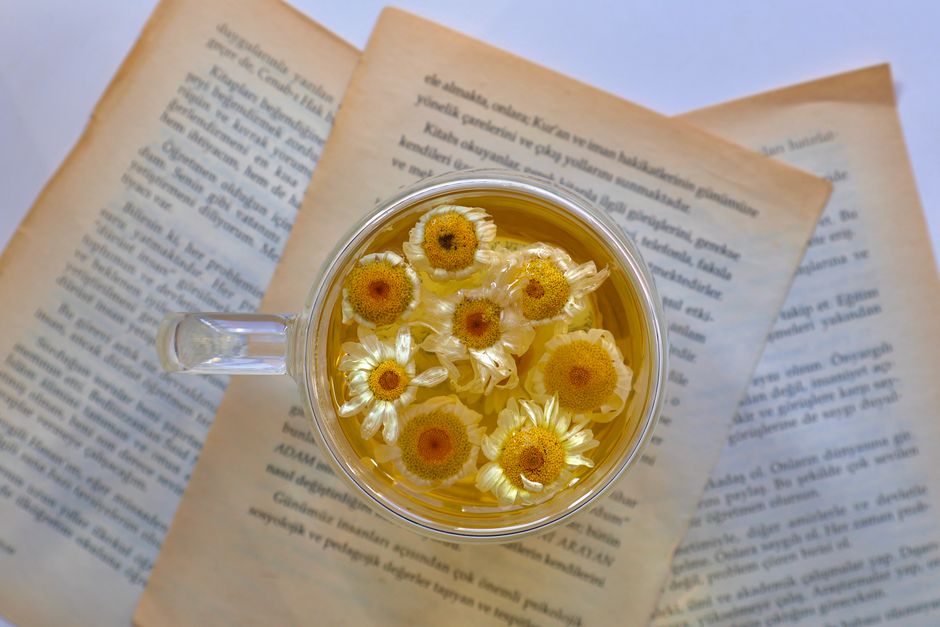
The surprising fact: chamomile tea has no conclusive clinical evidence for treating insomnia, even though better sleep is its biggest sales pitch. I still drink it, but for a quieter reason: a hot, caffeine-free drink can become a useful evening cue. Ginger has a stronger case for easing some types of nausea, yet it can also cause heartburn. The honest answer is less exciting than most tea labels. These drinks can support comfort and a routine. They do not cure a cold, erase chronic insomnia, or replace medical care.
What herbal tea can really do on a winter night
The first-principles answer
Herbal tea exists because people want a warm, low-effort way to change how an evening feels. The heat can soothe a dry throat. The fluid helps replace water lost through normal breathing and indoor heating. Holding a mug also creates a pause between work, screens, dinner, and bed. Those effects are real, but they are not the same as a drug effect.
Ginger and chamomile add plant compounds and flavor, while the temperature and ritual do much of the immediate work. That is why plain hot water can sometimes feel almost as useful as an expensive blend. I judge a tea by the job it can plausibly perform, not by words such as detox, immune boost, or deep sleep printed on the box.
Comfort is not the same as treatment
A ginger tea may settle mild queasiness for some people. Chamomile may help a person slow down before bed. Neither has strong proof for treating a respiratory infection. Honey can coat a sore throat, but it adds sugar and should never be given to a child younger than 1 year. For a cough lasting more than a few weeks, trouble breathing, dehydration, chest pain, or repeated vomiting, tea is the wrong tool.
My verdict is simple: use winter tea as a comfort habit with modest goals. Expect warmth, flavor, hydration, and a calmer transition into the night. Expecting a medical treatment creates disappointment and can delay useful care.
Ginger versus chamomile: what the evidence supports
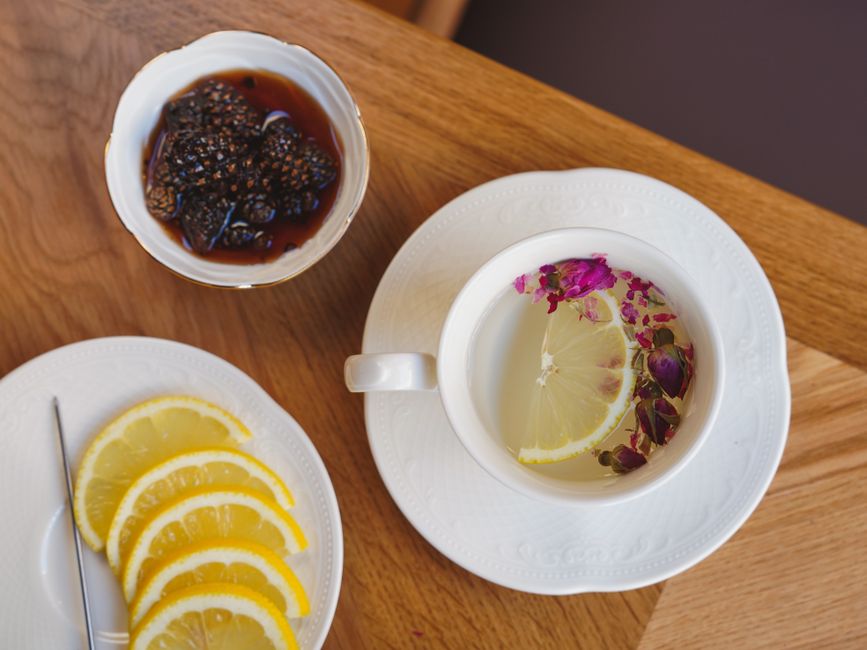
The short comparison
Ginger is the more practical choice when nausea is the problem. Chamomile is the gentler choice when the goal is a caffeine-free evening ritual, but its sleep evidence remains limited. The form matters: studies often use extracts, capsules, or mixed formulas, while a kitchen mug contains a less controlled amount of the herb.
| Herb | Best-supported use | What the evidence does not prove | Main caution |
|---|---|---|---|
| Ginger | May reduce some nausea, especially pregnancy-related nausea | That ordinary tea cures a cold or prevents motion sickness | Heartburn, stomach upset, diarrhea, gas, and possible medicine interactions |
| Chamomile | Traditional use as a calming, caffeine-free drink; preliminary anxiety research | That it reliably treats insomnia or depression | Allergy risk, especially with ragweed, daisies, chrysanthemums, or marigolds |
| Peppermint | Cooling flavor and possible digestive comfort | That it treats reflux or serious stomach disease | May worsen heartburn in some people |
How I read the research
The NCCIH chamomile fact sheet says studies have not produced enough reliable evidence to rate chamomile for most promoted uses. Its sleep summary says clinical trials do not show conclusive benefit for insomnia. For ginger, the evidence is more encouraging for pregnancy-related nausea, but official reviews still describe limitations in study quality and consistency.
That distinction matters. A study showing that a concentrated extract changed a symptom does not automatically prove that one weak tea bag will do the same. My evidence-based pick is ginger for mild nausea and chamomile for taste and routine, not as a guaranteed sleep medicine.
My blunt picks for nausea, bedtime, and a sore throat

For nausea, choose ginger
Ginger is my clear pick for mild nausea. Fresh ginger gives the most control over strength, and a plain ginger tea makes it easier to see how your body reacts. Traditional Medicinals Organic Ginger Aid is a recognizable bagged option, usually around $6.49 for 16 bags in U.S. stores in 2026. The price is reasonable, but the box does not turn tea into a measured clinical dose. Use it for comfort, not for persistent vomiting or severe abdominal pain.
For a bedtime cue, choose plain chamomile
For bedtime, I prefer a simple chamomile tea over a heavily marketed sleep blend. Twinings Pure Camomile often costs about $4.99 for 20 bags, while Celestial Seasonings Sleepytime is commonly around $5.99 for 20 bags. The second option contains a blend of herbs, so it may taste fuller but gives you less certainty about which ingredient suits you. Chamomile is the better choice for a quiet ritual, not a proven insomnia treatment.
For a sore throat, choose warmth first
A mug of warm water with ginger, lemon, or honey may feel good, but no particular tea has proved that it clears the infection. I would not buy a $15 detox box for this job. A basic bagged tea, adequate fluids, and rest make more sense. Seek care for breathing trouble, severe dehydration, a very high fever, or symptoms that keep worsening.
When ginger or chamomile is the wrong choice
Can ginger worsen stomach symptoms?
Yes. Ginger can cause heartburn, gas, diarrhea, or stomach discomfort, especially when the tea is concentrated or a person is already prone to reflux. I stop using it when the burning is stronger than the original nausea. People with gallstone disease should ask a clinician before using ginger regularly, and anyone taking blood-thinning medicine should discuss concentrated ginger products with a pharmacist or doctor.
Can chamomile cause an allergic reaction?
Yes. Chamomile belongs to a plant family that includes ragweed, chrysanthemums, marigolds, and daisies. People allergic to those plants may be more likely to react. A rash, swelling, wheezing, or trouble breathing needs prompt medical attention. I would not test chamomile for the first time on a night when I am alone or already unwell.
Who should pause before using either herb?
Pregnancy, breastfeeding, childhood use, liver disease, kidney disease, and regular prescription medicine all deserve extra care. Ginger has some evidence for pregnancy-related nausea, but the dose and form still matter. Chamomile safety during pregnancy and breastfeeding is not well established. NCCIH also warns that chamomile may interact with warfarin and could interact with sedatives or other medicines. The NCCIH guidance on dietary supplements is sensible: tell a health professional what you use, even when the product looks harmless because it is sold as tea.
Tea bags, loose herbs, and supplement traps

Why the box cannot tell you the whole story
A tea bag is not a standardized medicine. The species, plant part, harvest, storage, bag size, water volume, and steeping time all change the final cup. Supplement capsules and extracts may contain much more concentrated compounds than a beverage. That makes supplement research hard to apply to an ordinary evening tea, and it also raises the stakes for interactions.
For casual use, I choose single-herb products with a short ingredient list. Traditional Medicinals Organic Ginger Aid is usually about $6.49 for 16 bags. Twinings Pure Camomile is often about $4.99 for 20. Yogi Bedtime commonly sits near $5.99 for 16 bags, and Pukka Night Time is often around $7.49 for 20. These are typical shelf prices, not promises; local stores and online sellers vary. I buy them for flavor and convenience, not because a higher price signals stronger evidence.
What to check before buying
- Read the full ingredient list, especially if you need caffeine-free tea.
- Look for an expiration date and intact packaging.
- Be cautious with proprietary blends that hide the amount of each herb.
- Do not assume organic means clinically proven or interaction-free.
- Skip products promising to detox the liver, melt fat, cure infections, or replace sleep treatment.
When a supplement is a bad upgrade
Do not switch from one mild mug of tea to a high-dose ginger or chamomile capsule just because the tea felt subtle. More plant material does not always mean more benefit. It can mean more reflux, allergy risk, sedation, or interaction potential. If nausea, anxiety, or insomnia happens often, the useful next step is finding the cause with a clinician rather than escalating the herb.
The evening routine matters more than the herb
My final verdict
For most winter evenings, the best herbal tea is the one that supports a repeatable routine without causing symptoms. I choose ginger when mild nausea is the main problem, plain chamomile when I want a gentle caffeine-free wind-down, and neither when reflux, allergies, medication interactions, or persistent symptoms enter the picture.
The practical routine is small: make one normal-strength cup, drink it away from a very heavy meal, lower the lights, and stop treating the mug as a medical promise. If sleep remains poor for weeks, tea is not the answer. If a cough, fever, vomiting, or pain keeps returning, the symptom deserves attention beyond the kitchen.
That is the evidence-based version of winter tea: useful comfort, a pleasant ritual, and a few narrow benefits. Ginger earns its place for nausea. Chamomile earns its place for taste and calm. Neither needs exaggerated claims to make a cold evening better.
Medical Disclaimer: This content is for informational purposes only and does not constitute medical advice. Always consult a qualified healthcare professional before making health-related decisions.