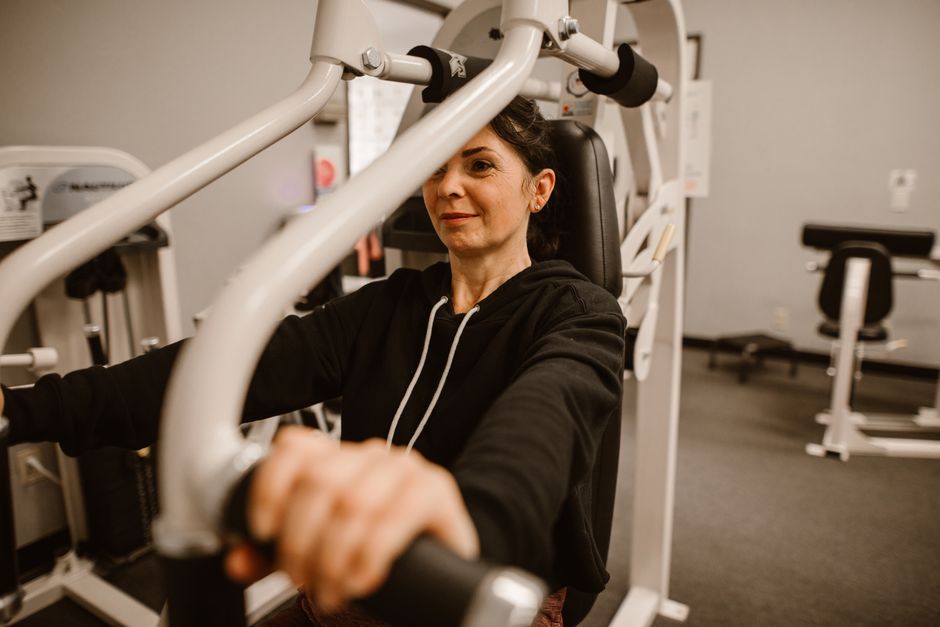
Two days per week is enough to build a real strength habit. Public-health guidance recommends muscle-strengthening activity on at least two days each week, so a twice-weekly schedule is a target, not a consolation prize. You can start in a living room, spare bedroom, or small garage without paying for a gym membership.
The winning setup has three parts: a full-body plan, a way to make exercises harder over time, and equipment that fits your budget and storage space. Start with the plan before buying anything. The right purchase should solve a clear problem in your training.
What Twice-Weekly Strength Training Actually Needs
Why two full-body sessions work
Training twice weekly works best when both sessions cover the main movement patterns: squat, hinge, push, pull, carry, and trunk control. That approach gives each major muscle group repeated practice while leaving at least 48 hours for recovery. A split routine that trains legs only once and upper body only once can work, but it gives a beginner fewer chances to improve technique.
Your basic session needs four to six exercises, two to four working sets per exercise, and roughly 30 to 50 minutes. Use a weight or variation that leaves two good repetitions in reserve at the end of each set. The final repetitions should feel hard, but your form should remain steady.
The minimum equipment-free standard
You do not need a rack, barbell, or machines to begin. A chair can support a split squat, a backpack can add load to a squat, and a towel can create a hamstring slide on a smooth floor. The best starting verdict is simple: begin with bodyweight and household loading for two weeks, then buy equipment only when the exercises stop becoming harder.
Keep sessions on two fixed days, such as Monday and Thursday. Write down repetitions, sets, and the variation you used. That log turns a vague workout into a measurable strength program.
Your Two-Day Home Plan, Step by Step
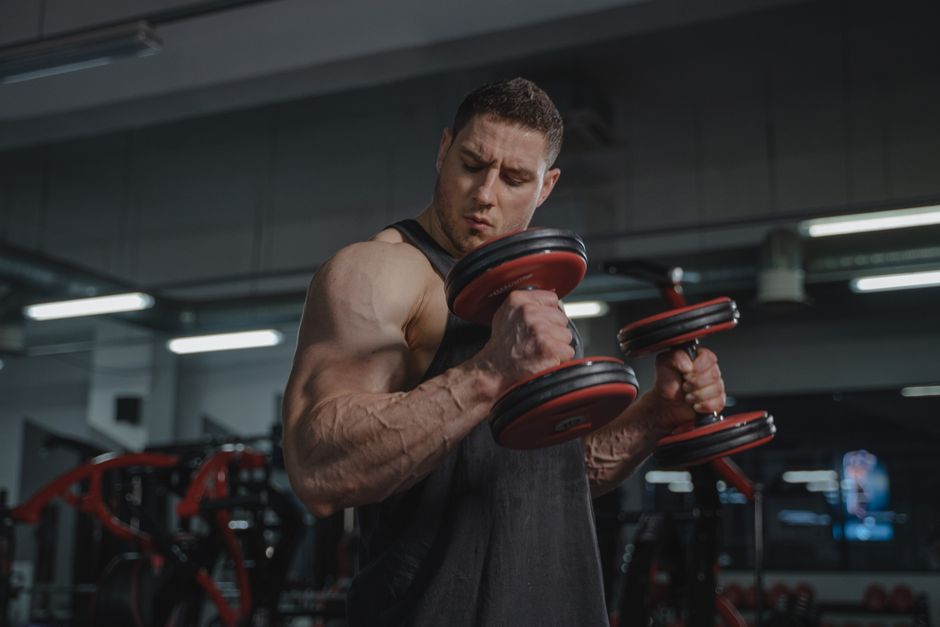
Day A: squat, push, pull, and trunk
- Warm up for five minutes with marching, arm circles, bodyweight squats, and slow hip hinges.
- Perform a split squat for 3 sets of 8 to 12 repetitions per side. Hold a backpack when you can complete 12 clean repetitions.
- Do push-ups for 3 sets of 6 to 15 repetitions. Raise your hands on a sturdy surface if floor push-ups are too hard.
- Perform a one-arm backpack row for 3 sets of 10 to 15 repetitions per side.
- Finish with a plank for 3 sets of 20 to 45 seconds.
Day B: hinge, press, pull, and carry
- Warm up with ten unloaded hip hinges, ten reverse lunges, and two short rounds of brisk marching.
- Perform a backpack Romanian deadlift for 3 sets of 8 to 12 repetitions. Push your hips back and keep the load close to your legs.
- Do a pike push-up or elevated push-up for 3 sets of 6 to 12 repetitions.
- Perform a step-up on a low, stable step for 3 sets of 8 to 12 repetitions per side.
- Carry two loaded bags for 4 rounds of 30 to 45 seconds. Walk slowly and keep your ribs stacked over your hips.
Rest 60 to 120 seconds between sets. When you reach the top of the repetition range on every set, add one or two books to the backpack, choose a harder variation, or add one set. Do only one progression at a time. This steady increase is progressive overload, and it matters more than exhausting yourself on day one.
Which Home Equipment Gives the Best Return?
The best first purchase is adjustable loading, not a large collection of single-purpose gear. The table below compares practical choices using manufacturer-listed U.S. prices and specifications checked in 2026; prices can change during promotions.
| Option | Listed price | Key specifications | Verdict |
|---|---|---|---|
| Backpack and household items | $0 to $30 | Load with books, water bottles, or food tins | Best starting point for beginners who have not trained consistently |
| BowFlex Results Series 552 SelectTech Dumbbells | $479 list | 5 to 52.5 pounds per dumbbell; 15 settings; 16.9 inches long | Best for fast weight changes and a polished all-round setup |
| PowerBlock Elite EXP 5-50 | $399 per pair | 5 to 50 pounds per hand; 2.5-pound adder weights; about 12 by 6 by 6 inches | Best value when storage space matters |
| REP Fitness Nighthawk Adjustable Bench | $449.99 | 88 pounds; 51 by 25.9 inches; 700-pound capacity; 0 to 85-degree back positions | Best later purchase for presses, rows, and supported exercises |
Buy adjustable dumbbells before a bench
For most people, adjustable dumbbells create more training options per dollar. They load squats, lunges, rows, presses, deadlifts, carries, and curls. Choose the PowerBlock Elite EXP if compact storage and a $399 starting price matter most. Choose the BowFlex Results Series 552 if you prefer a more familiar dumbbell shape and faster dial changes.
When not to buy a bench
Skip the bench during your first month if floor presses, push-ups, split squats, and rows already give you enough challenge. The REP Fitness Nighthawk is a strong upgrade, but its $449.99 price makes sense after you have trained regularly and need incline pressing or supported rows. A bench cannot fix an inconsistent schedule.
The Mistakes That Stall Home Strength Progress
My strongest recommendation is to make your routine boring enough to repeat. Most beginners do not fail because the living room lacks equipment; they fail because every session changes, effort is hard to measure, or small aches get ignored.
- Changing exercises every session: Keep the same core movements for four to six weeks. Repetition lets you improve technique and see progress.
- Training to failure on every set: Stop with one or two controlled repetitions left. Constant failure creates more fatigue and can make the next session worse.
- Adding weight before fixing range of motion: A heavier split squat with a shallow range is not automatically better. Use a slower lowering phase and stable balance before adding load.
- Ignoring the floor and surroundings: Check that chairs do not slide, steps do not rock, and the floor gives you enough clearance. Never use a loose table as a support.
- Buying equipment for an imaginary routine: Do not buy a barbell, rack, or heavy bench for a plan you have not followed. Train twice weekly for four weeks first, then spend money on the limitation you can name.
- Pushing through sharp pain: Muscle effort and mild next-day soreness are different from sharp joint pain, numbness, or pain that changes your movement. Stop that exercise and seek qualified medical advice when symptoms persist or worsen.
The clear verdict: consistency, safe setup, and recorded progression beat a crowded equipment corner.
Which Setup Should You Buy for Two Weekly Sessions?
Do I need equipment on the first day?
No. Use bodyweight and a loaded backpack for two weeks. If you can complete both sessions and want more loading options, the PowerBlock Elite EXP 5-50 is the best first paid upgrade because its $399 pair covers 5 to 50 pounds per hand and occupies far less space than a dumbbell rack.
Which adjustable dumbbell is easier for a beginner?
The BowFlex Results Series 552 is the easier pick for someone who wants quick dial changes and 15 settings from 5 to 52.5 pounds per hand. Its listed price was $479 in 2026, with promotional pricing appearing at times. It is larger than the PowerBlock, so measure your storage shelf before buying.
When should I add a bench?
Add the REP Fitness Nighthawk after your floor-based pressing and rowing options stop giving you enough variety. Its 700-pound capacity, seven back positions, and 88-pound frame make it the strongest choice of these three for supported rows and incline presses, but it is not the first purchase for a new trainee.
Start with two repeatable sessions, record every set, and let your equipment grow only when your training exposes a real gap. As home-fitness gear becomes smaller and more adjustable, a focused two-day routine will keep delivering more value from less space.
Medical Disclaimer: This content is for informational purposes only and does not constitute medical advice. Always consult a qualified healthcare professional before making health-related decisions.